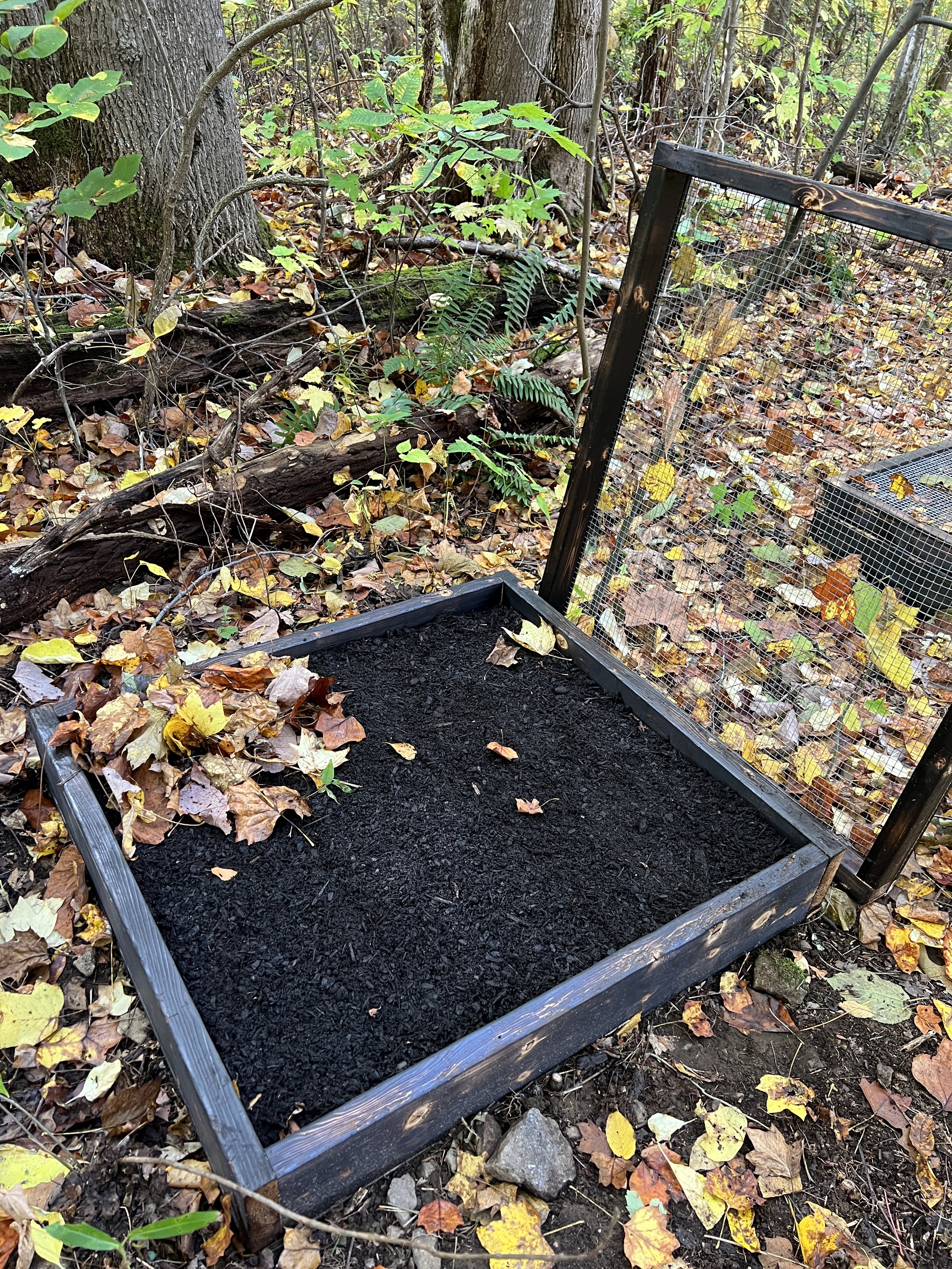
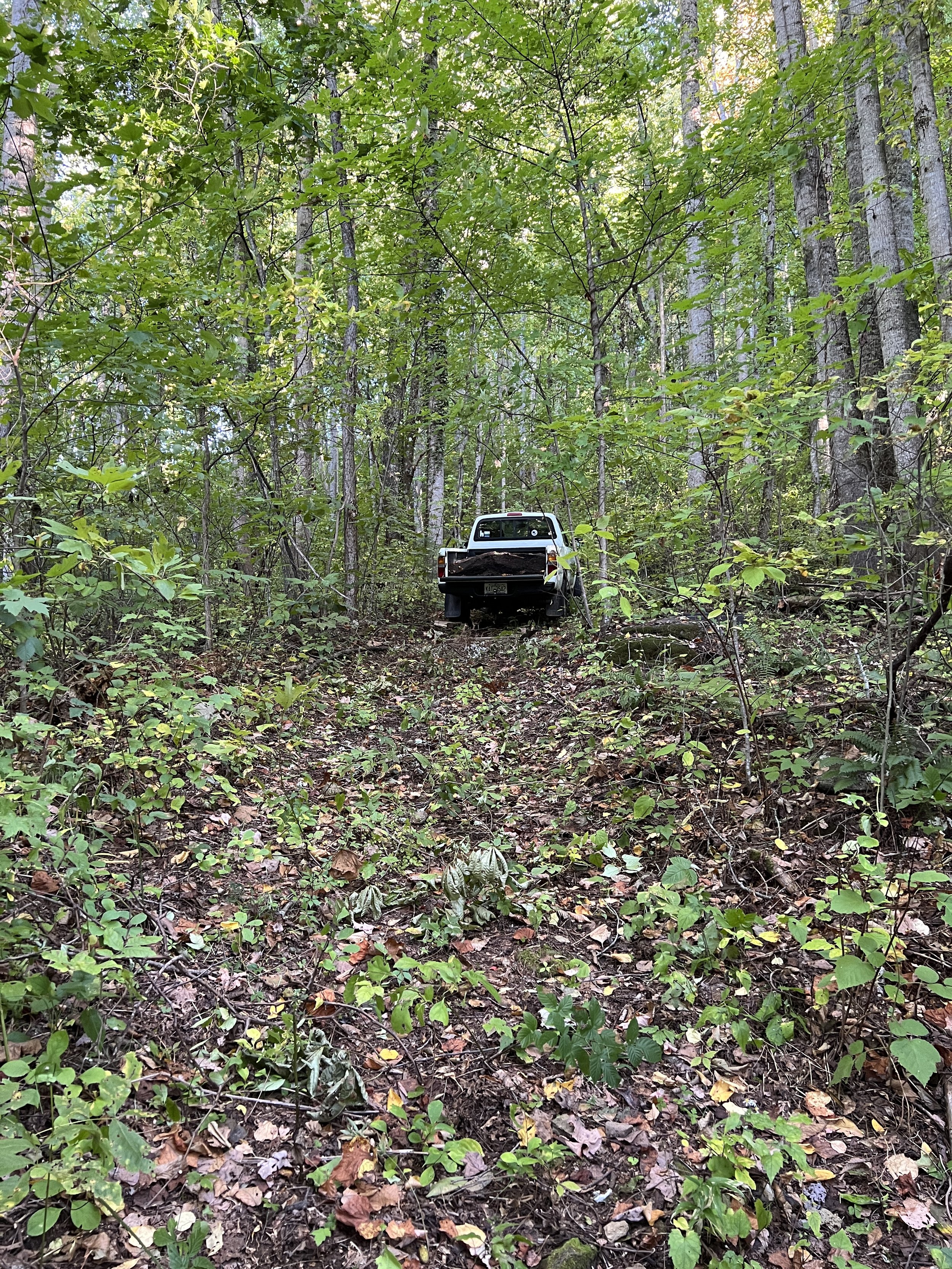
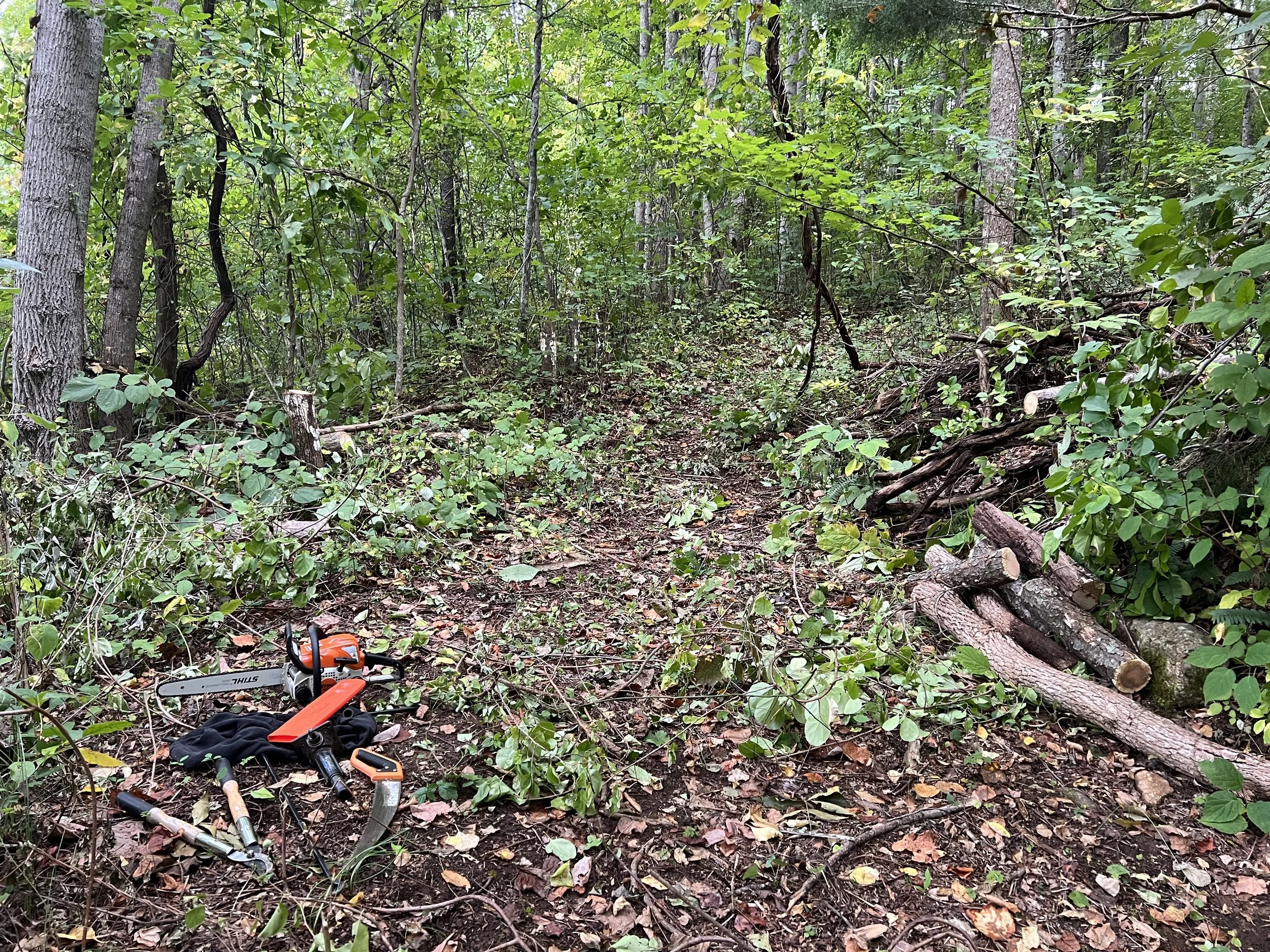
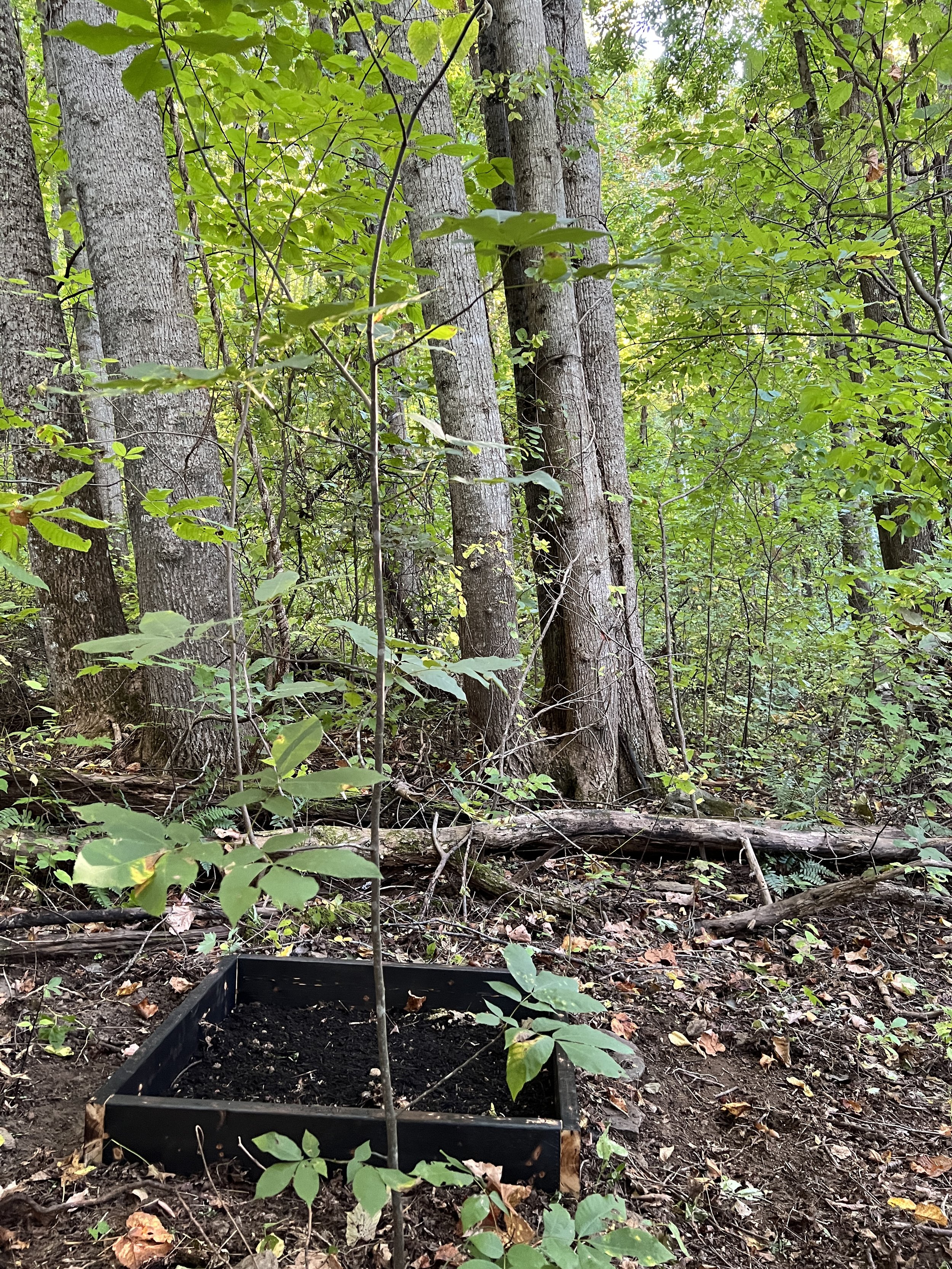
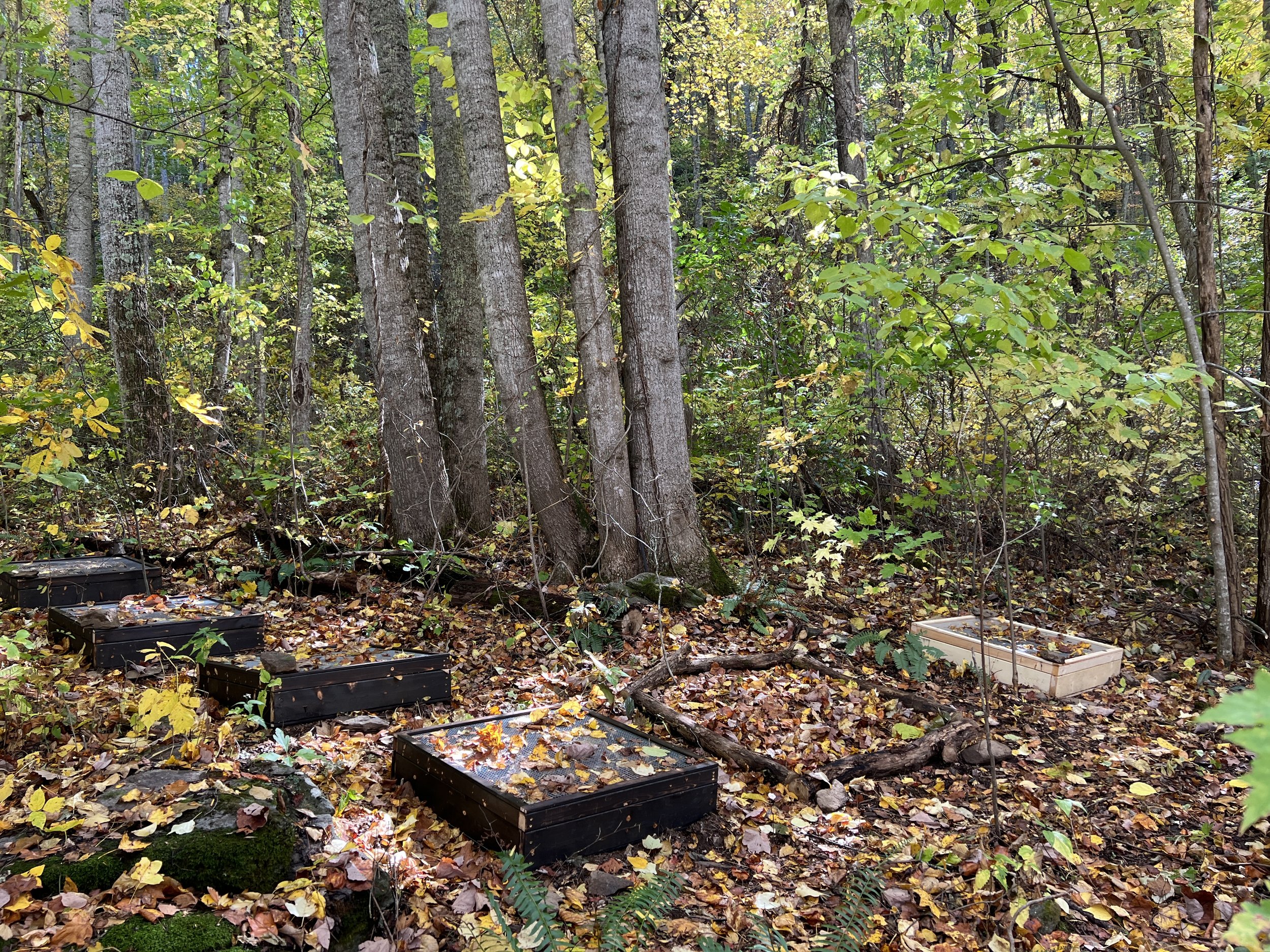
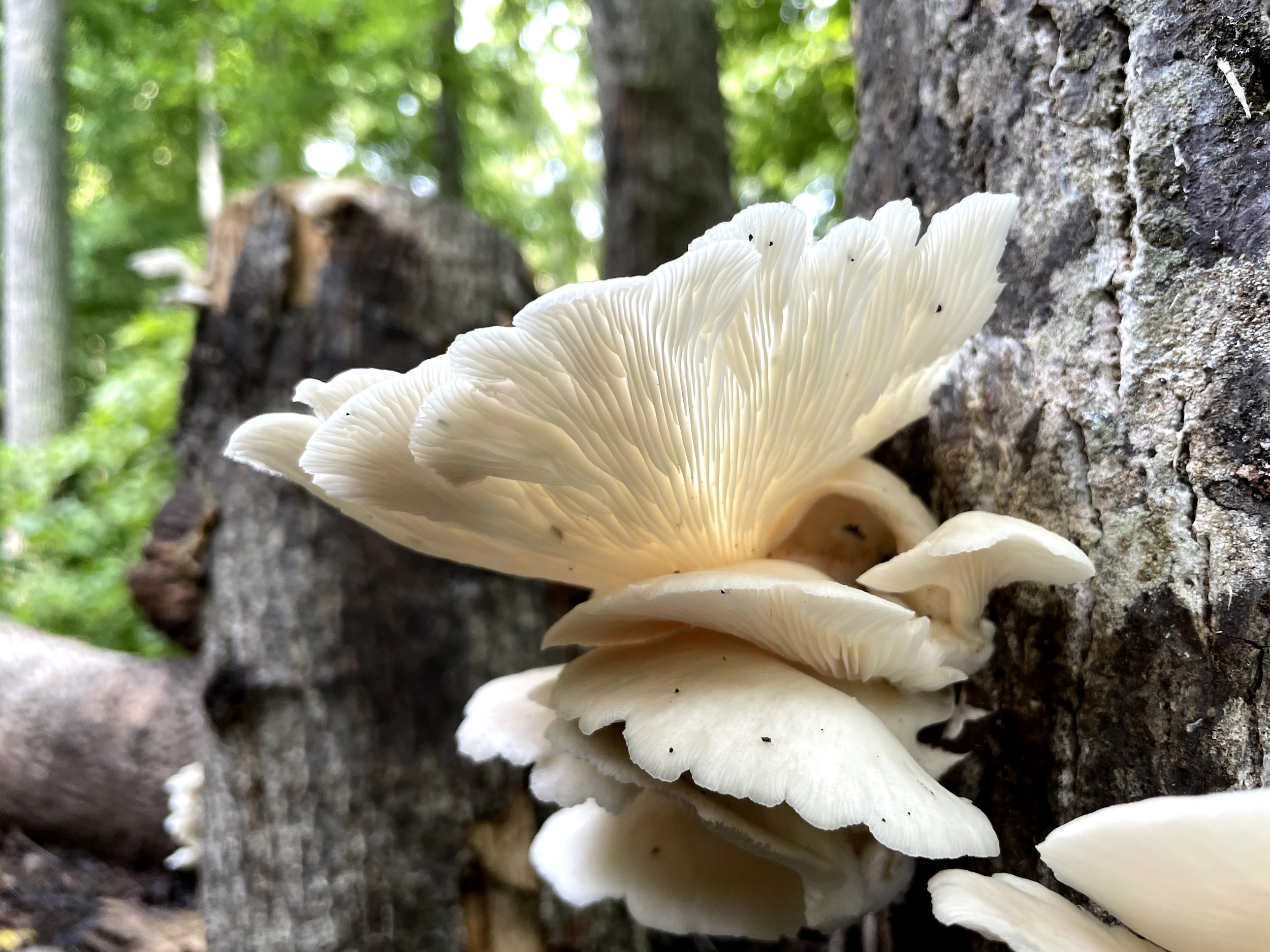
How to build nursery boxes for starting native perennial seeds

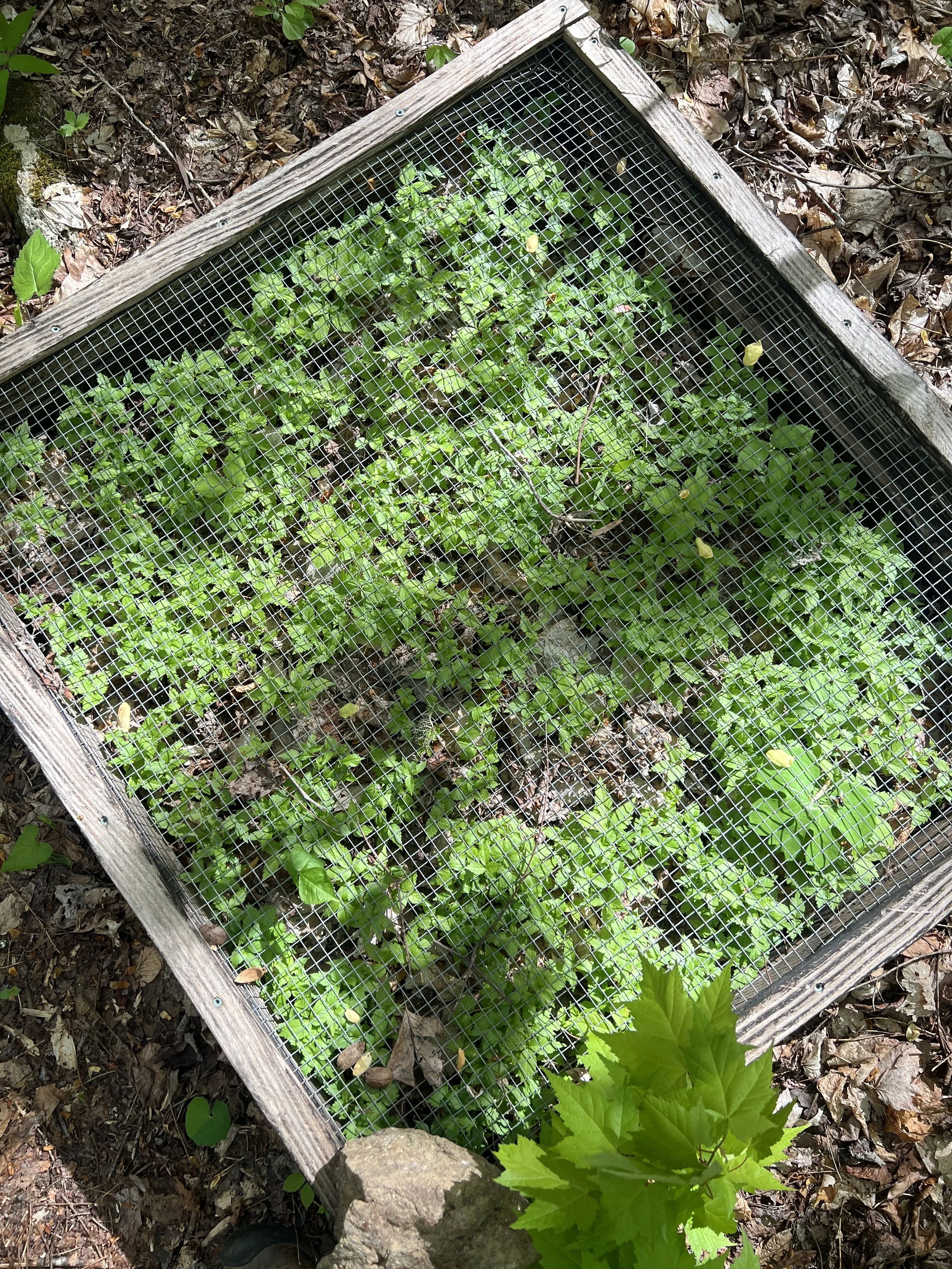
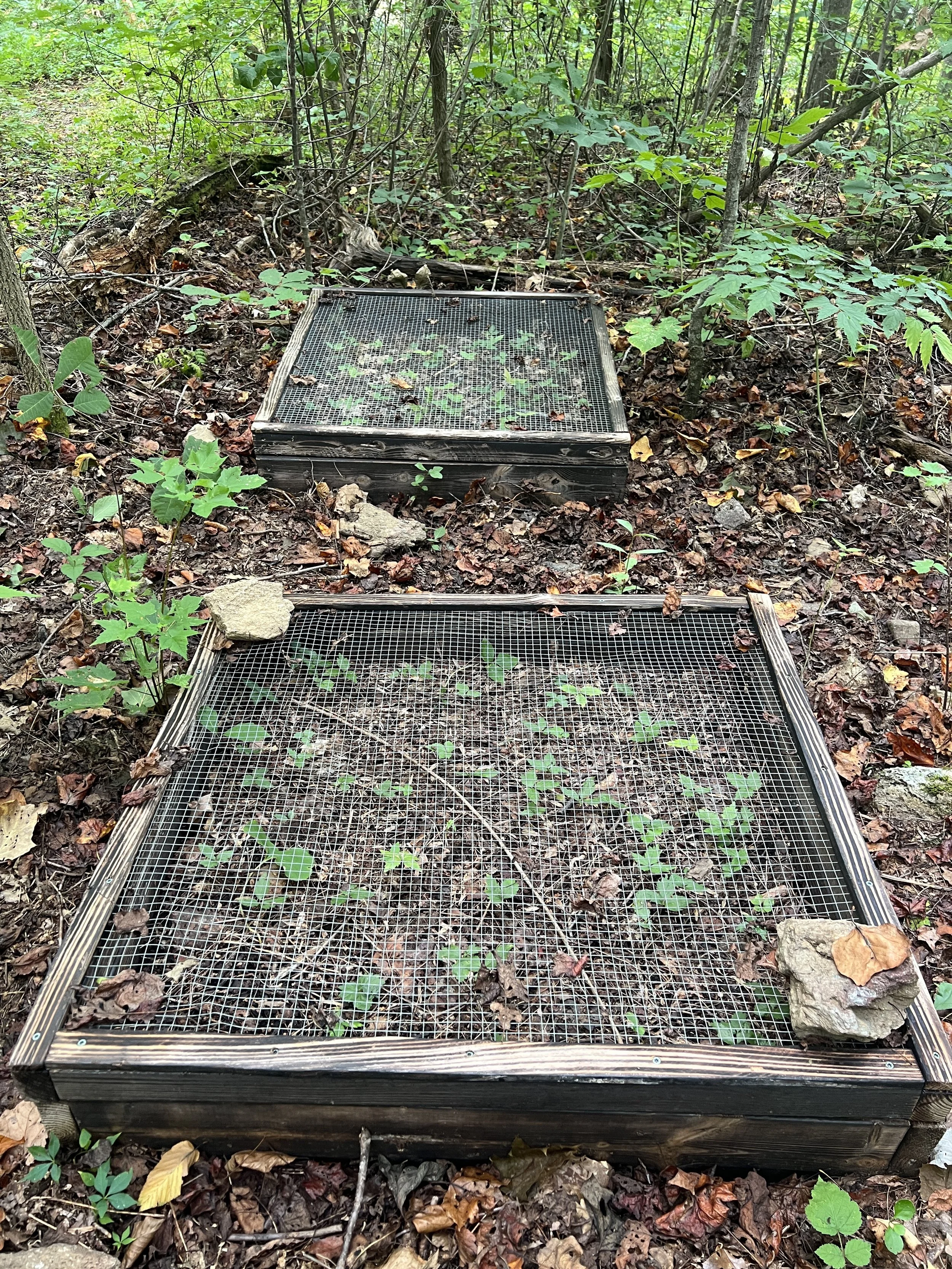
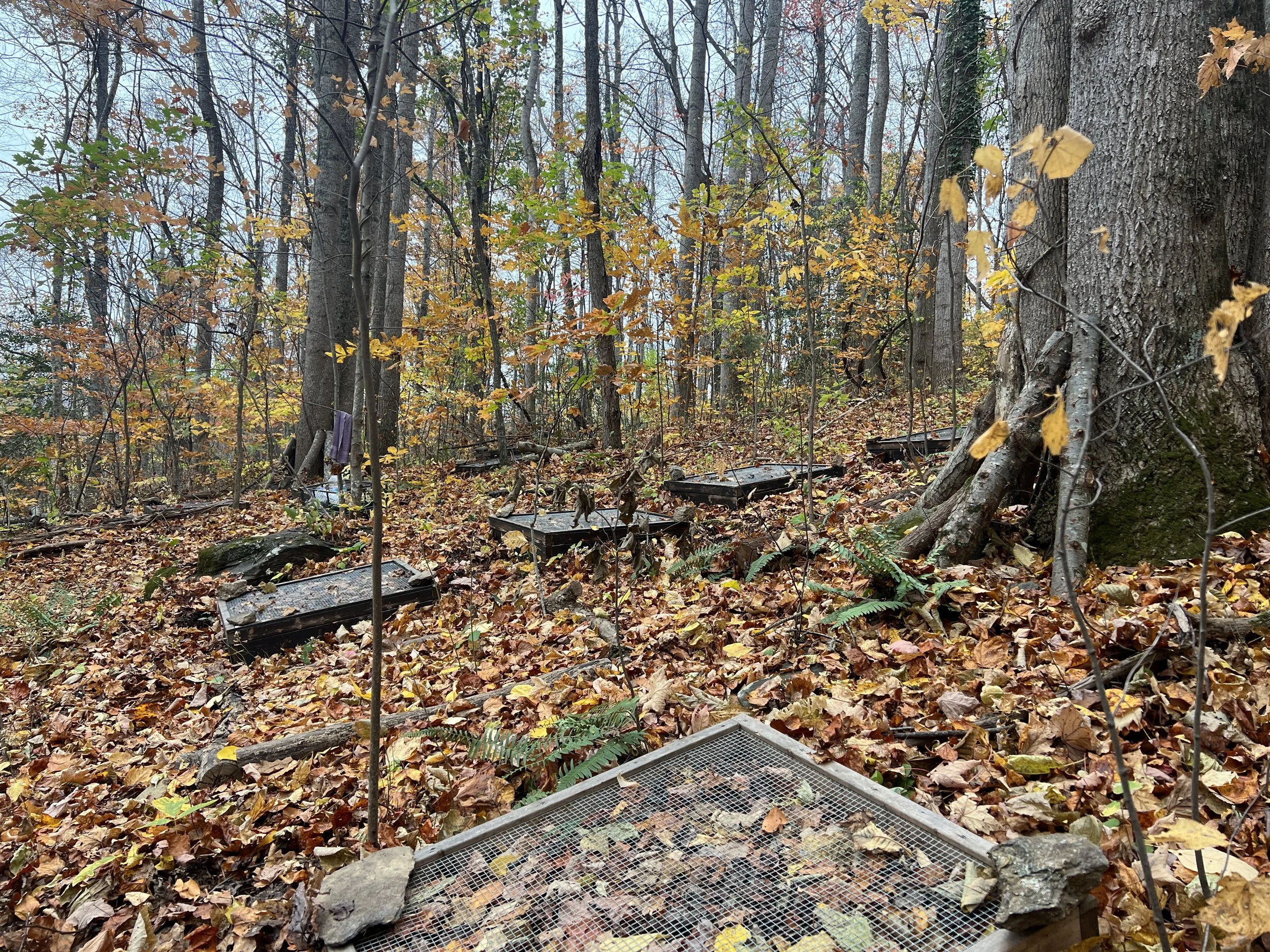
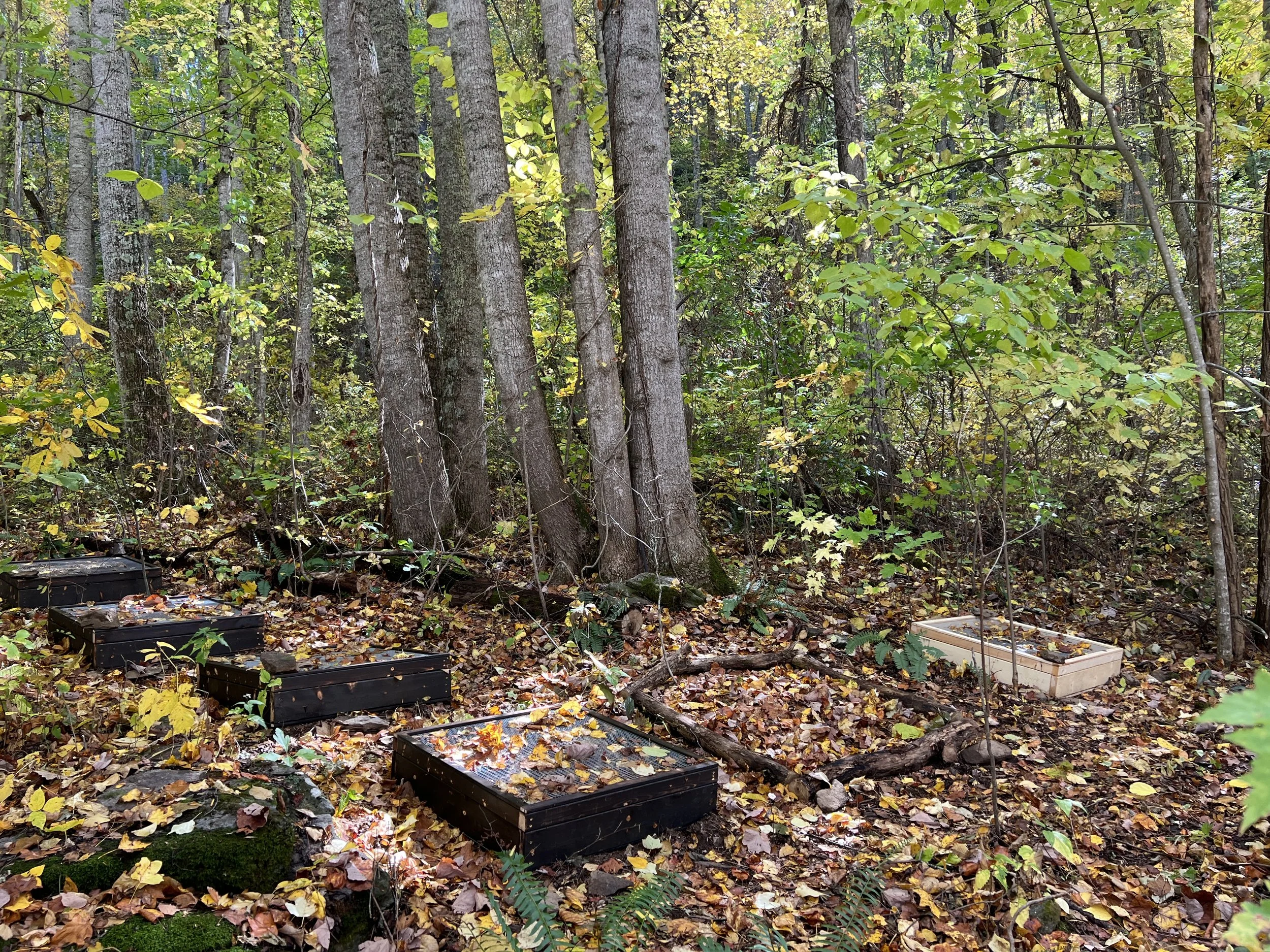
I learned about these seed starting ‘nursery boxes’ some years back and have posted about them in an earlier blog post (‘Planting the seeds’ from May of 2023). These boxes are amazing for planting seeds that require stratification, which includes so many of our native perennial seeds here in our region and beyond (we’re in western NC, zone 7).
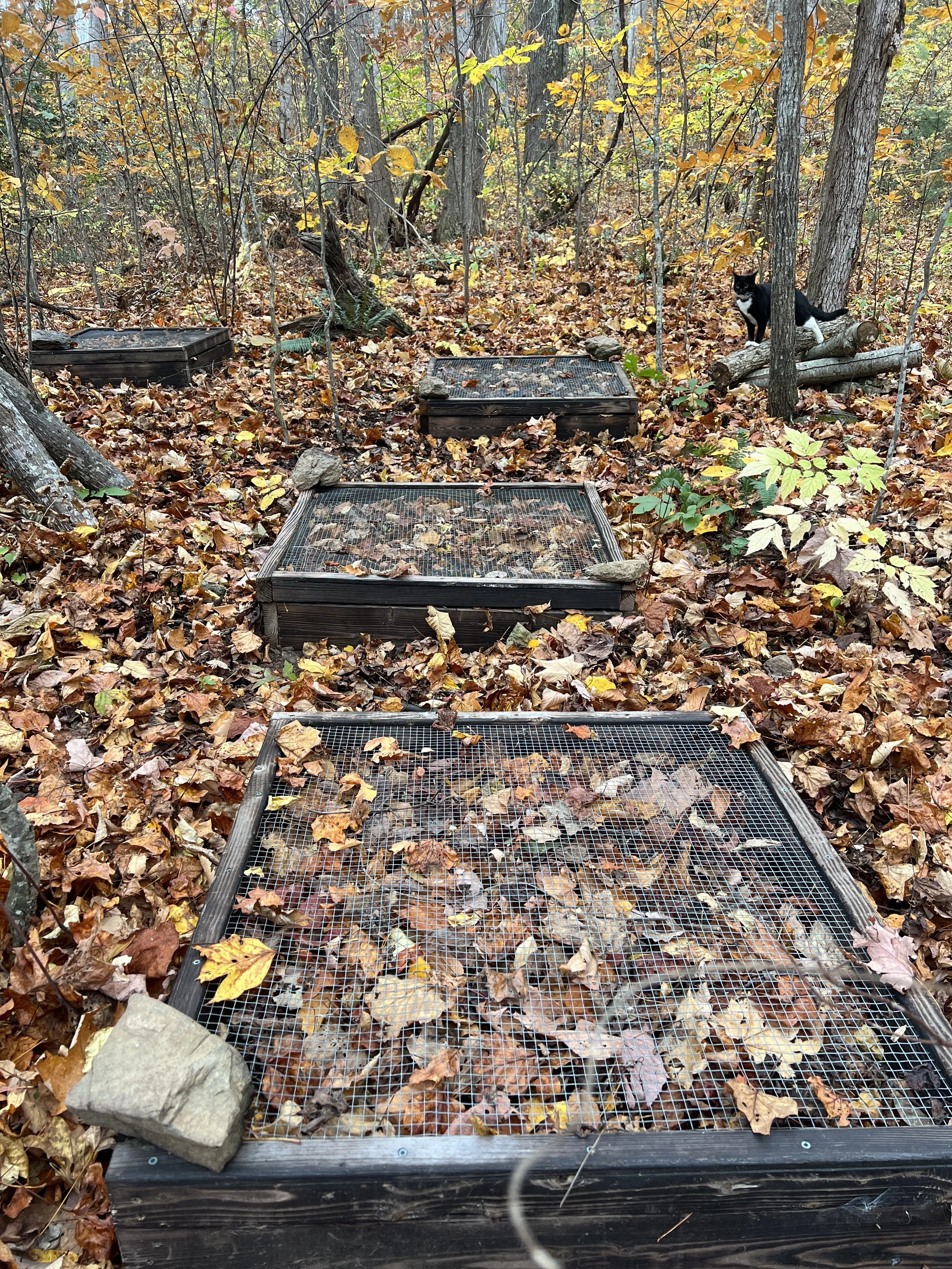
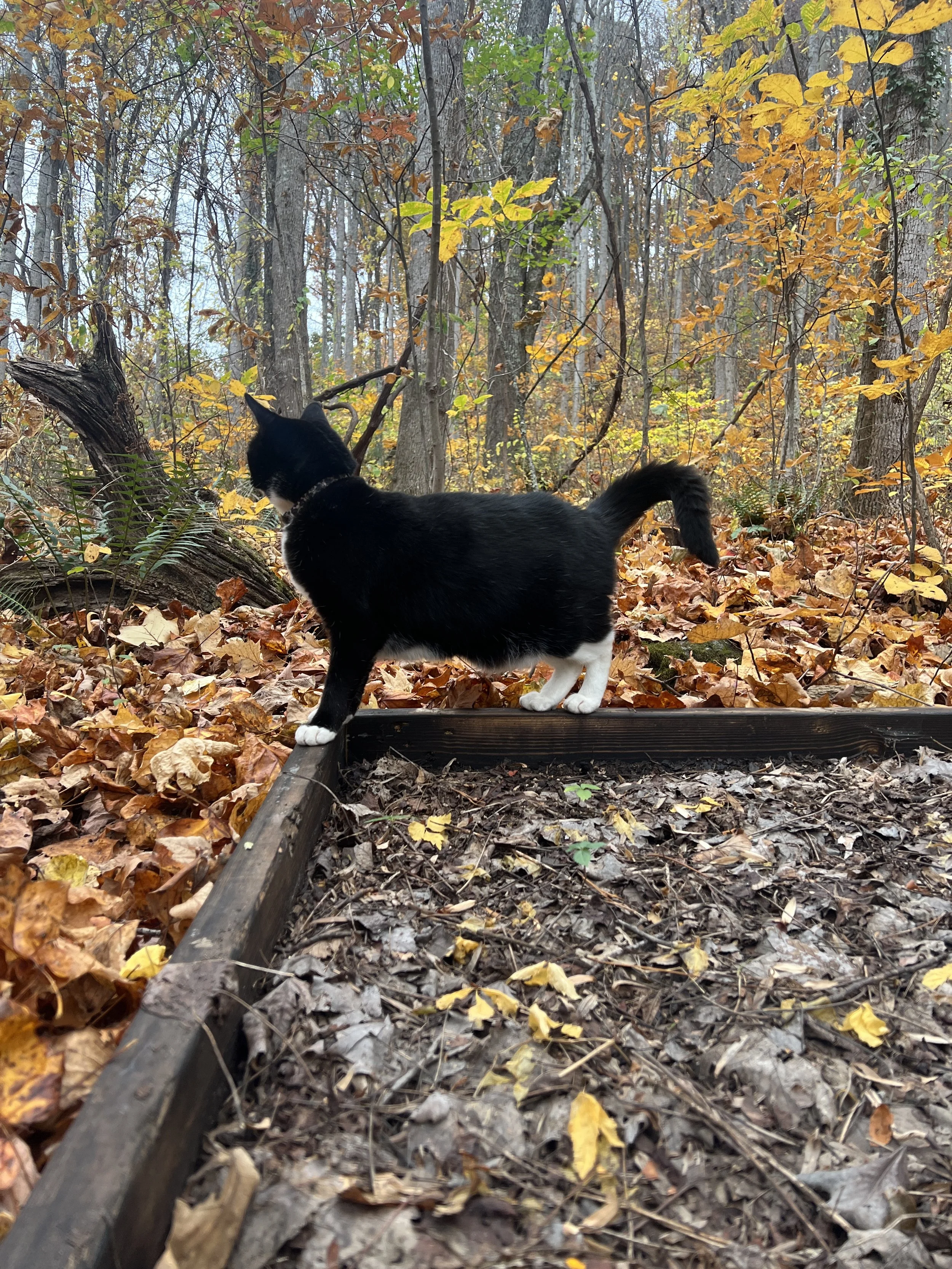
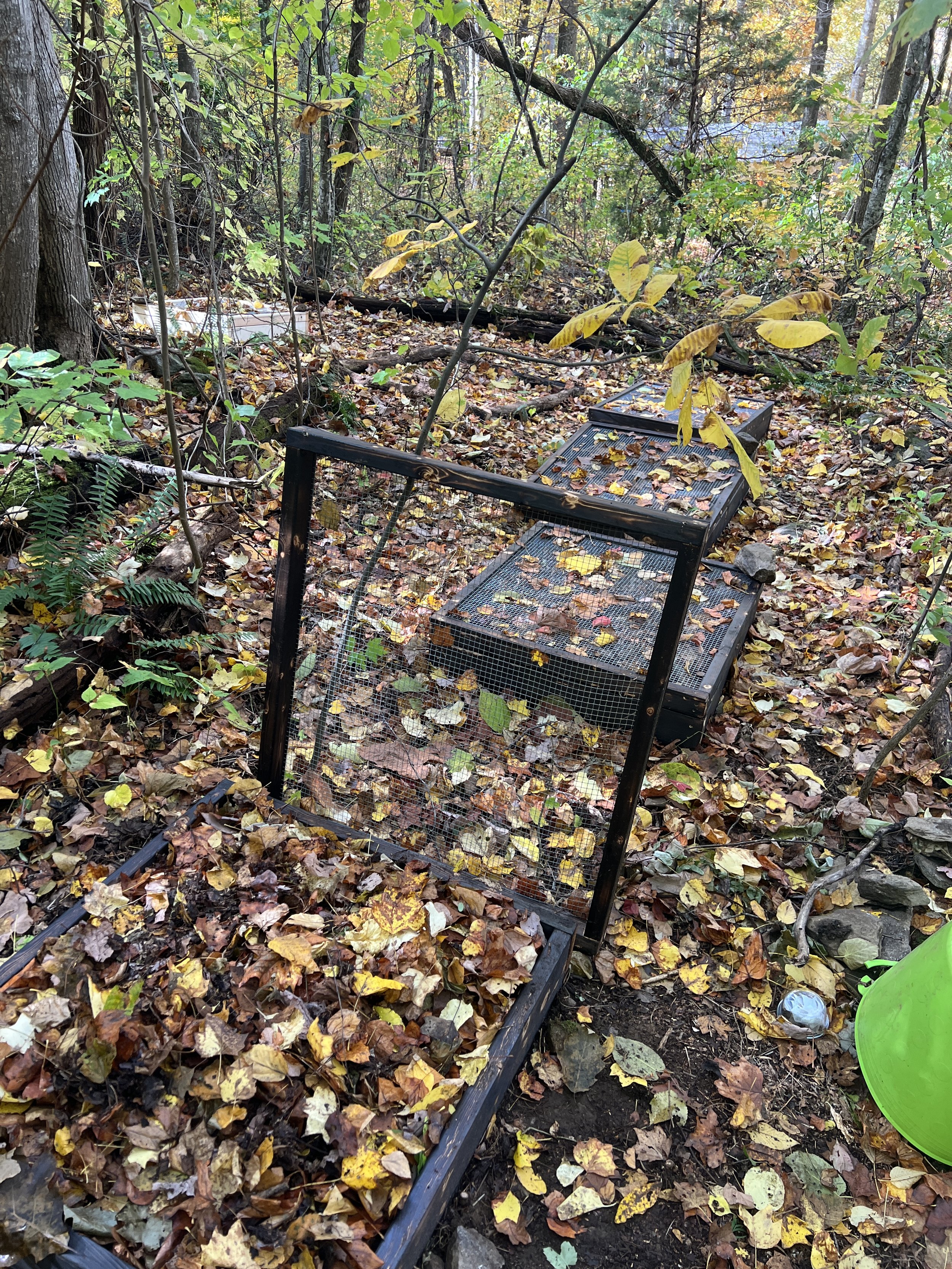
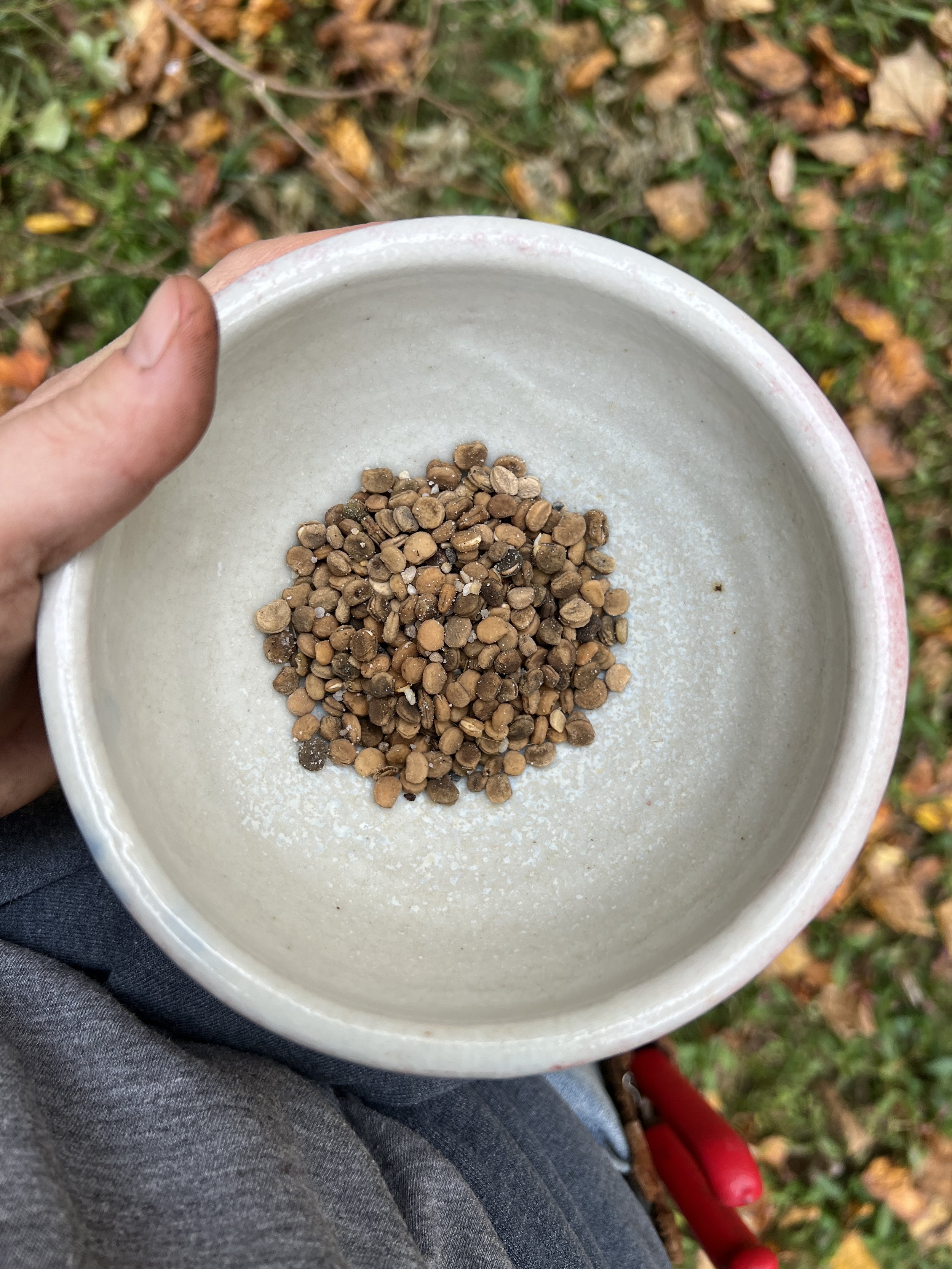
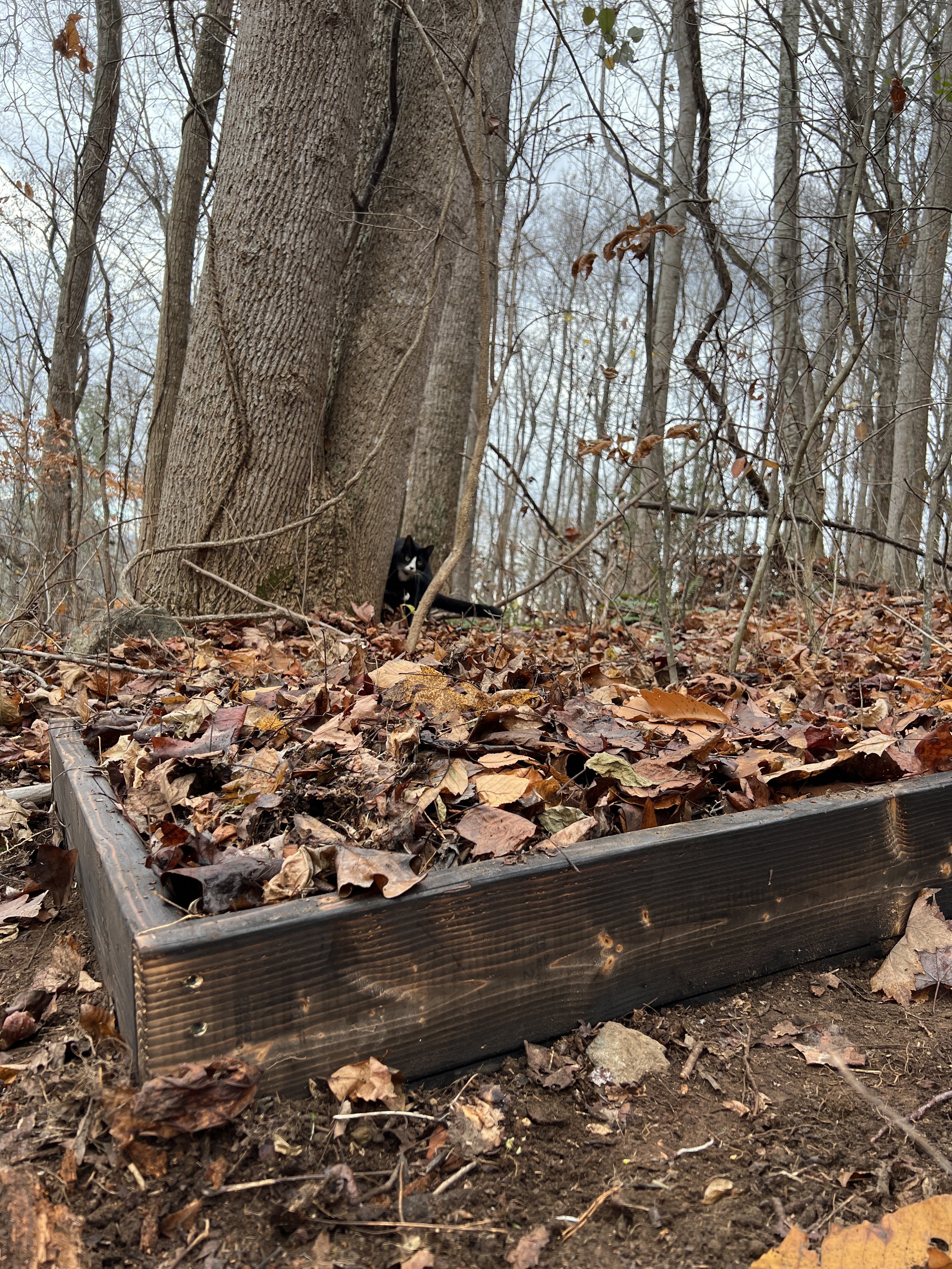
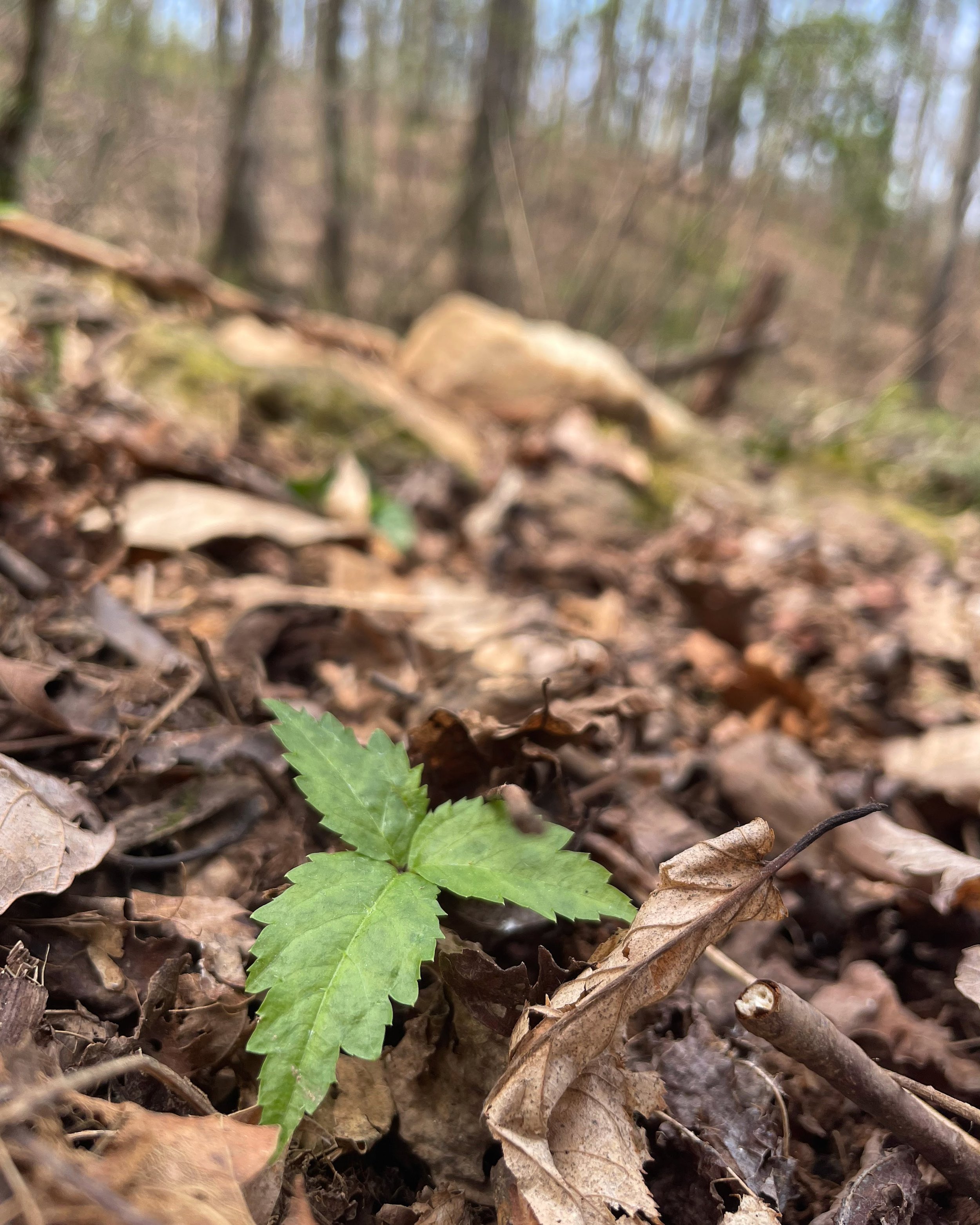
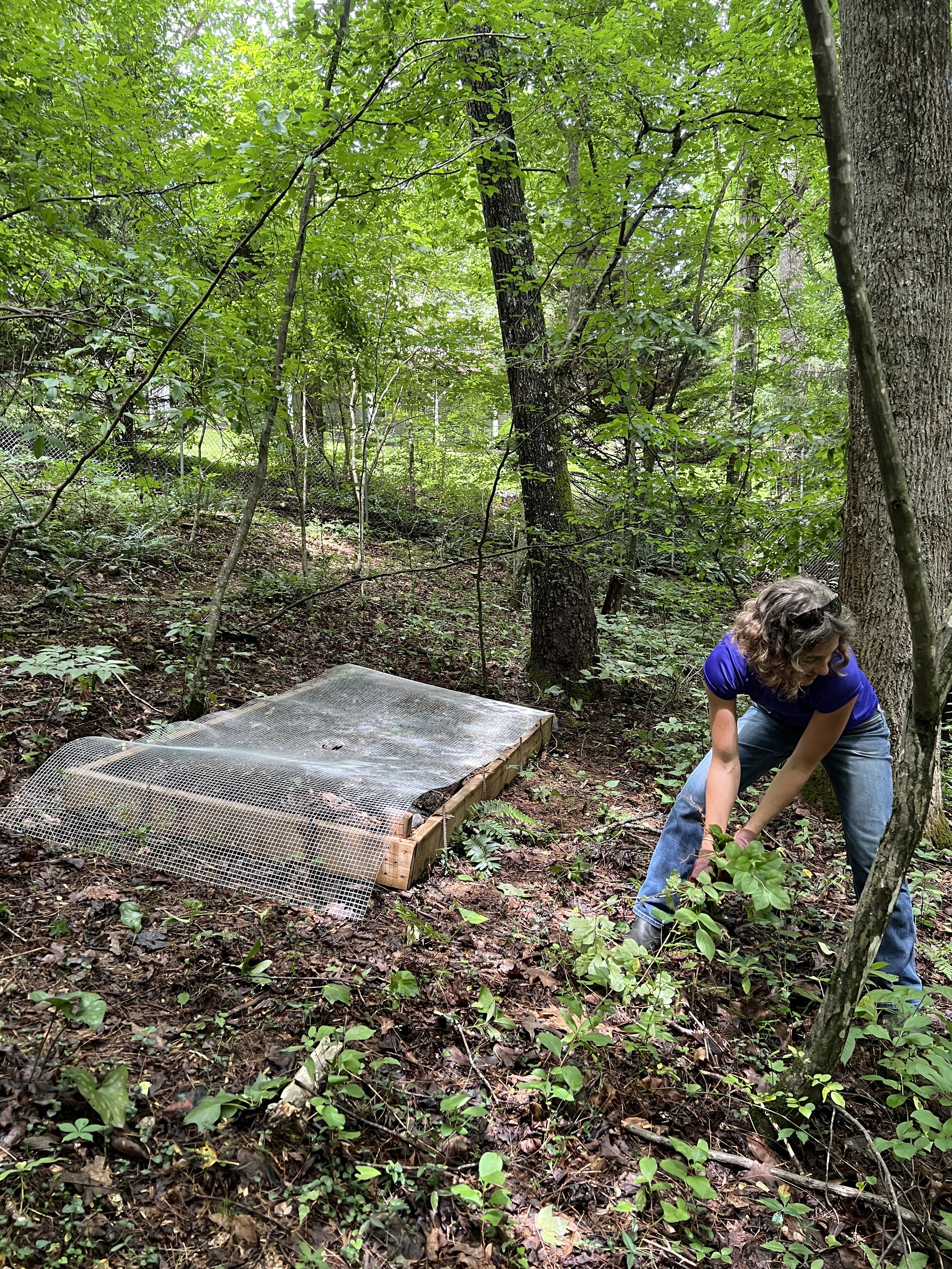
Many perennial seeds need to be in the soil for months or even years before germination so that they get the warm and cold cycles they need to break out of dormancy. The chance of these seeds being eaten by a critter or dug up by a squirrel goes up drastically compared to when you’re sowing quick germinating annual seeds in the spring. These nursery boxes keep your seeds safe from nut hoarding squirrel friends along with foraging mice, chipmunks, and birds, and they also keep larger animals such as deer, turkey and bears from compacting or digging around in the seed bed. It also keeps your seeds and seedlings safe from falling limbs, or in our case in the fall of 2024, falling trees! We were hit hard by Hurricane Helene here in Swannanoa that fall. We were very fortunate to have had minimal damage to our property compared to many, but most of our newly built nursery boxes didn’t make it. Amazingly most of the seedlings within them lived, thanks to those strong little walls!

Here’s the shopping list we used to create four nursery boxes with lids.

Builds four 3’x3’ boxes

This is what we used because the materials are relatively affordable and easy to come by, and there’s minimal waste when we make 4 at a time. Just remember that this is not the only way! Let us know if you come up with something that works great for you!

*We used galvanized hardware cloth. If you can afford it, stainless steel hardware cloth will last way longer and is better for the environment.
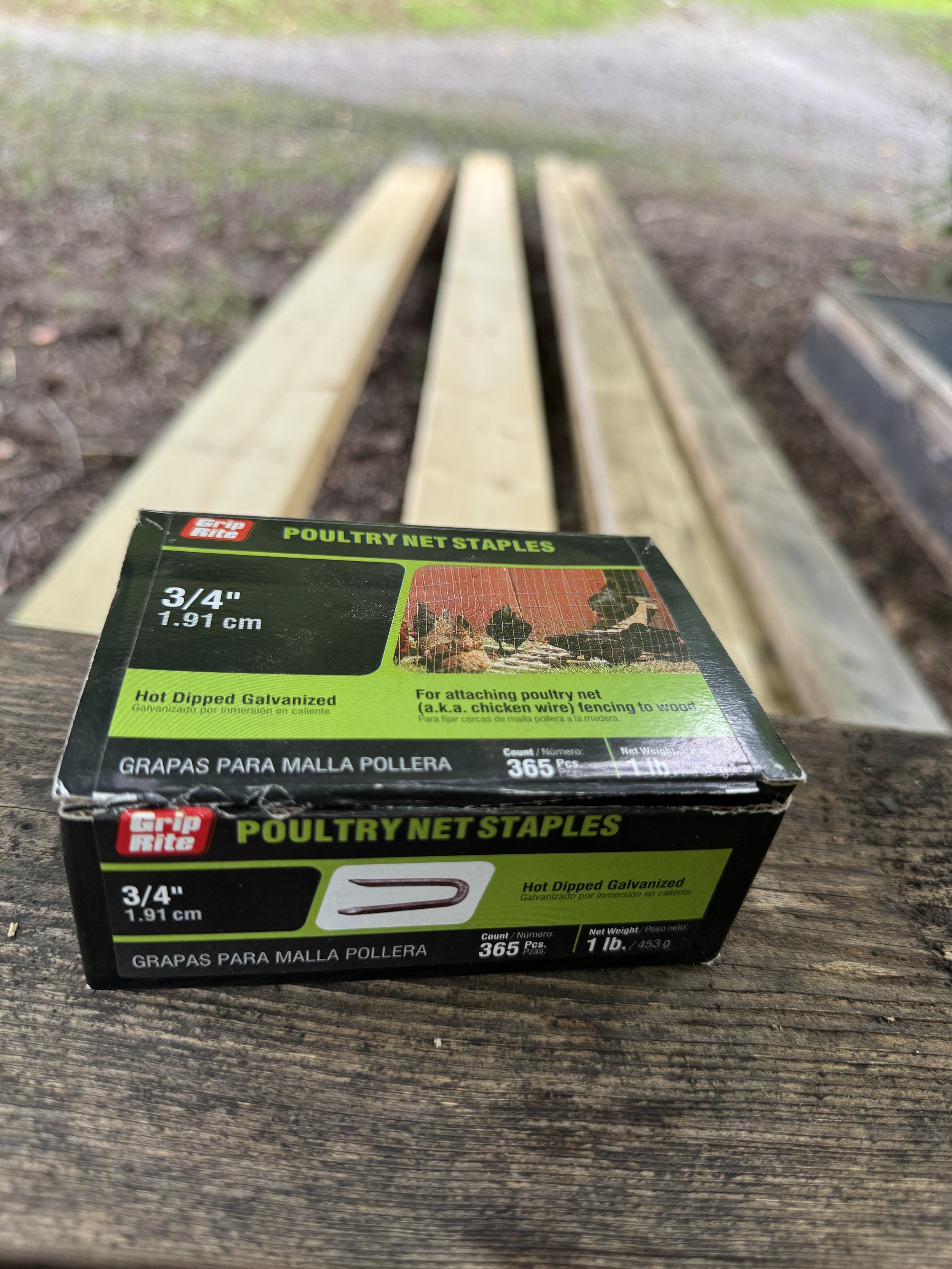
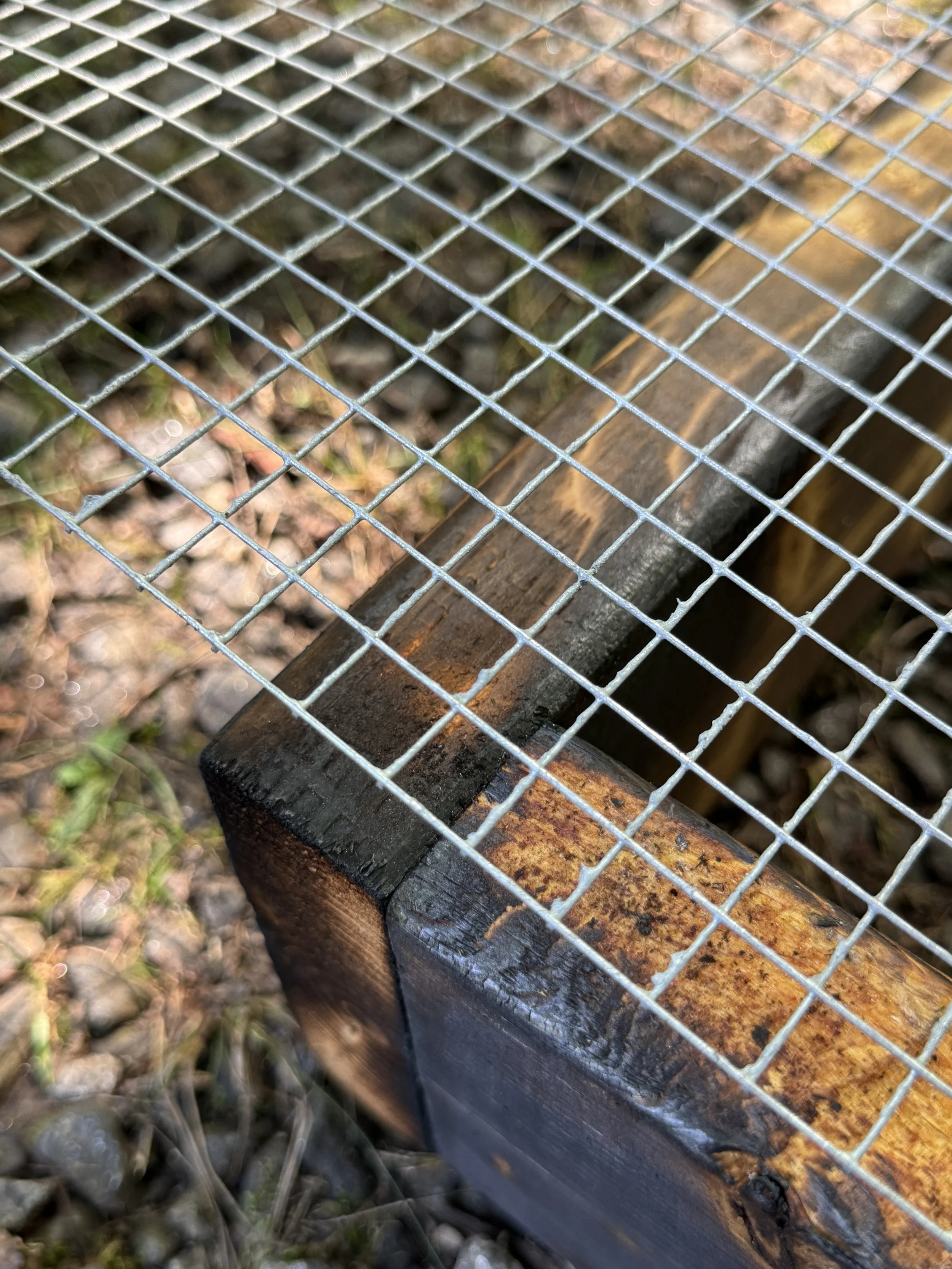
Steps to build four 3’x3’ boxes:

We will start with the base of the boxes:

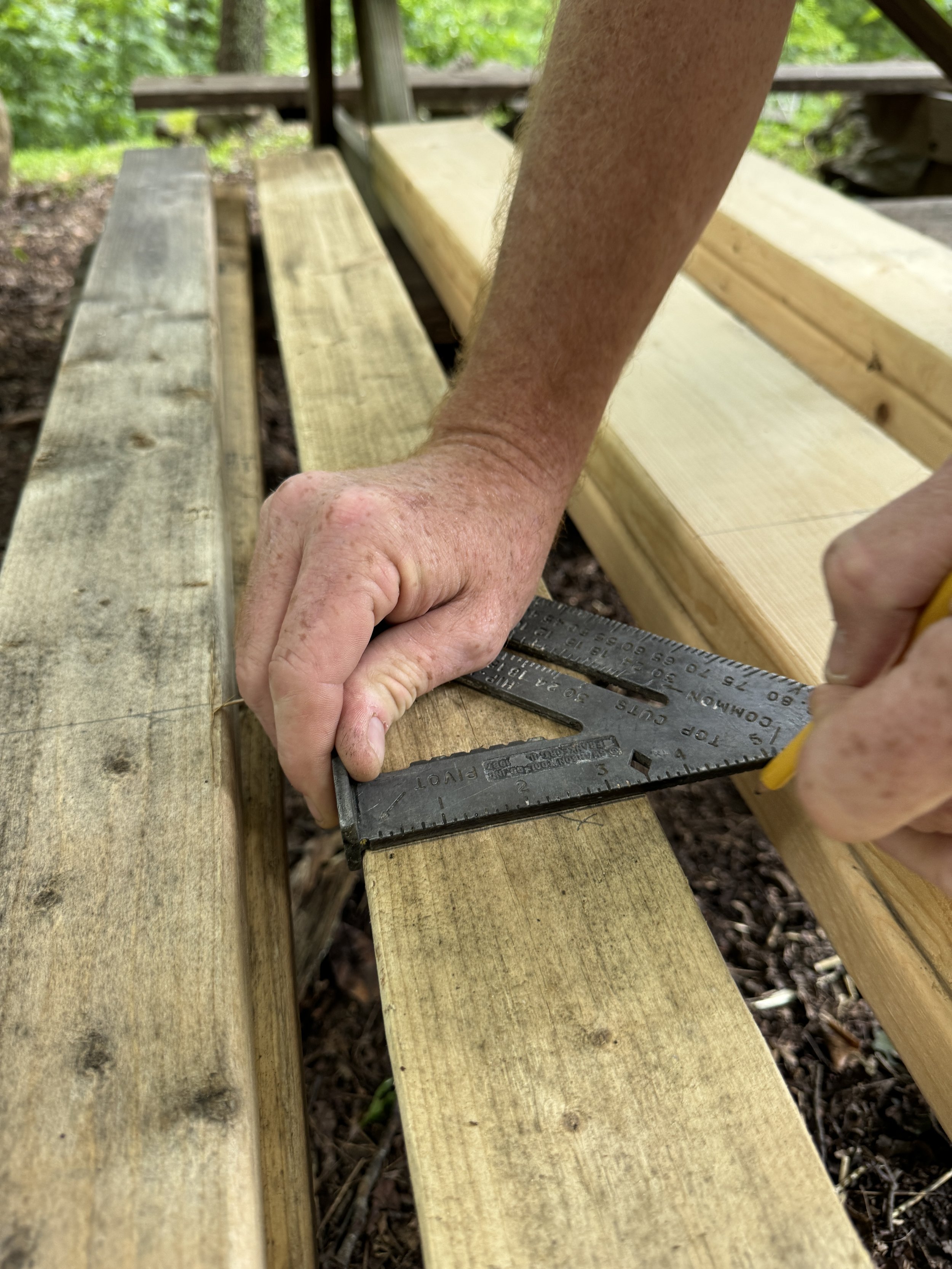
  • From each 12’ 2x6 cut two pieces to 37” long.

  • Now cut the remaining pieces of 2x6 in half.

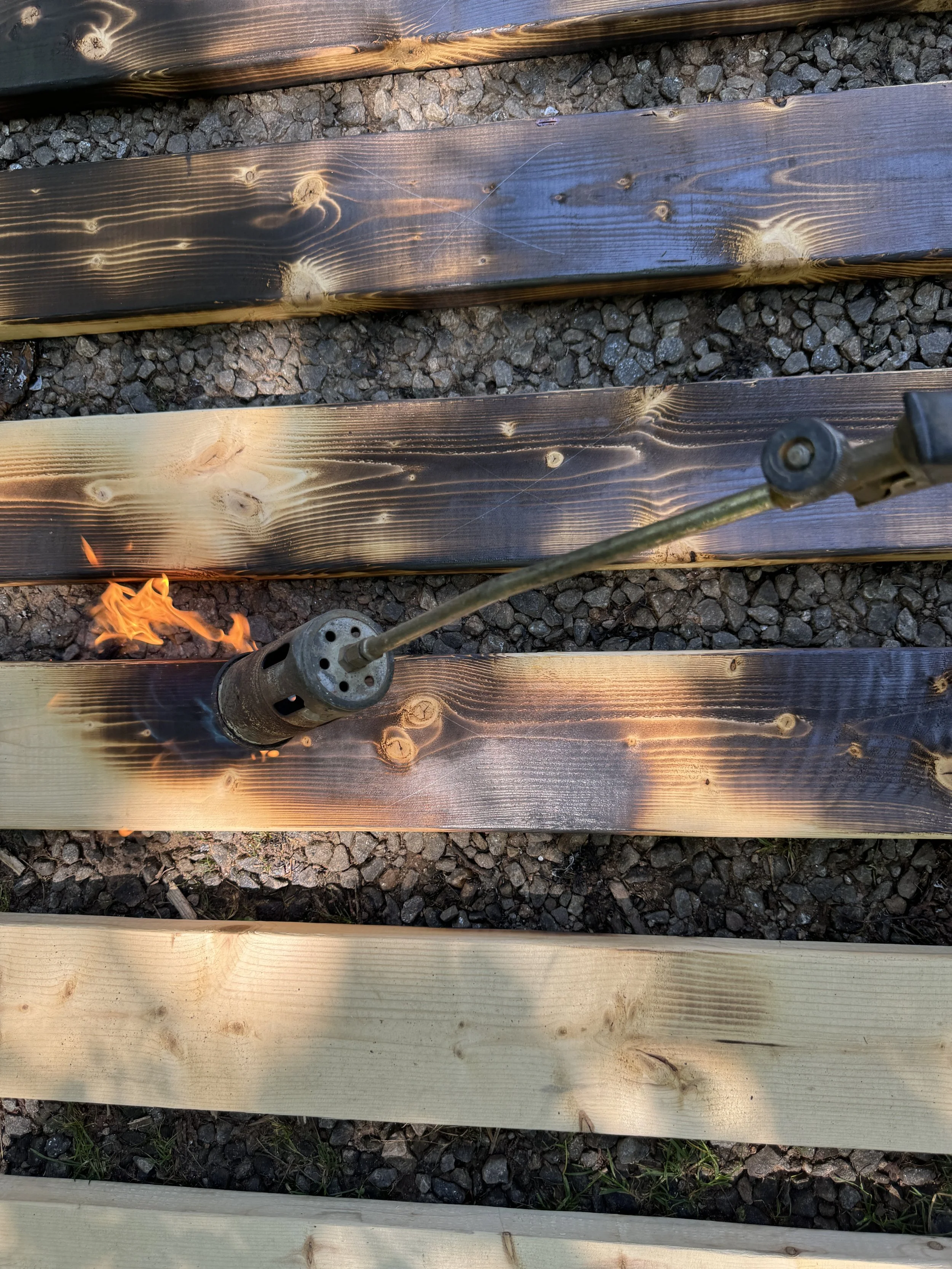
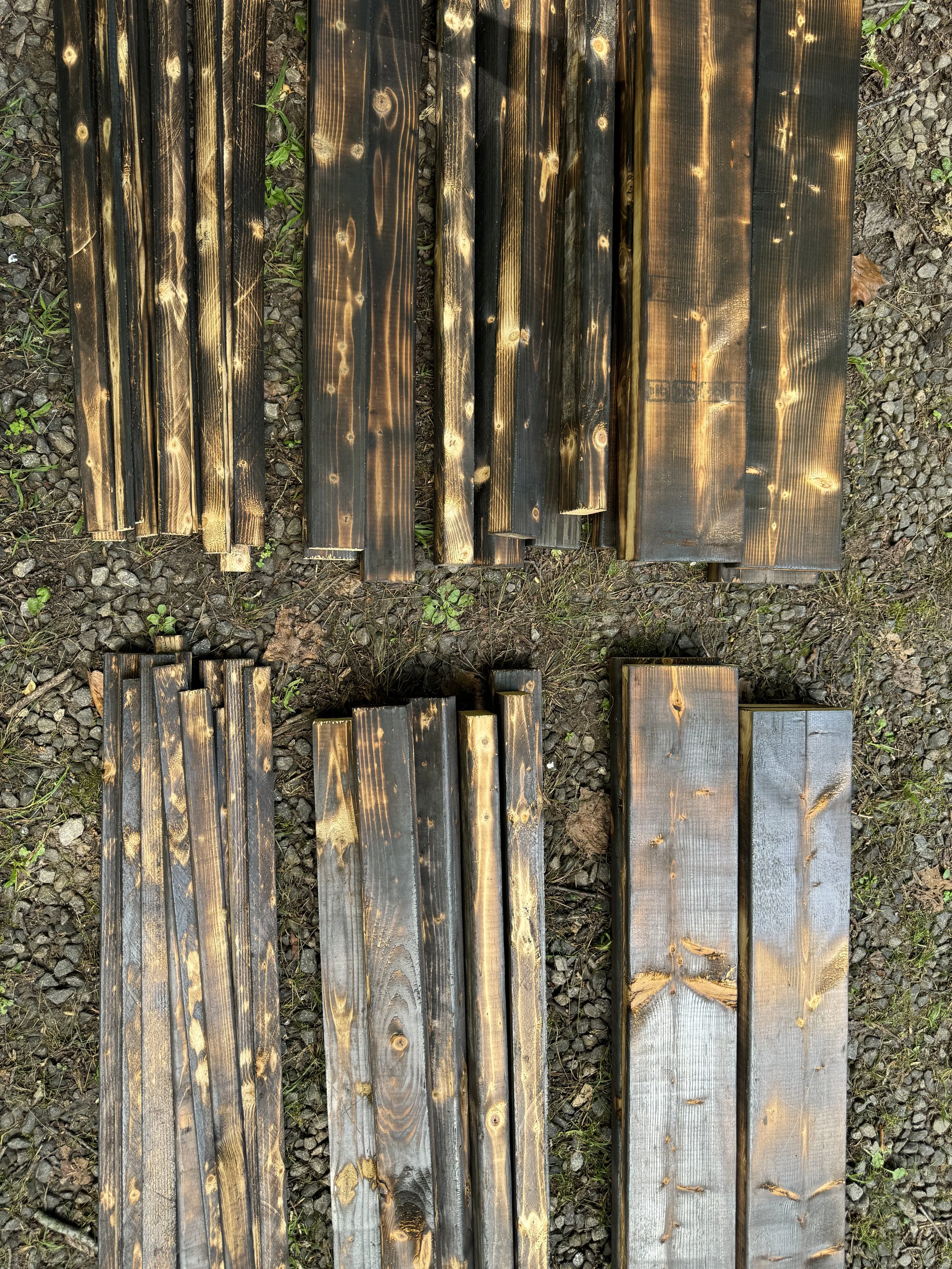
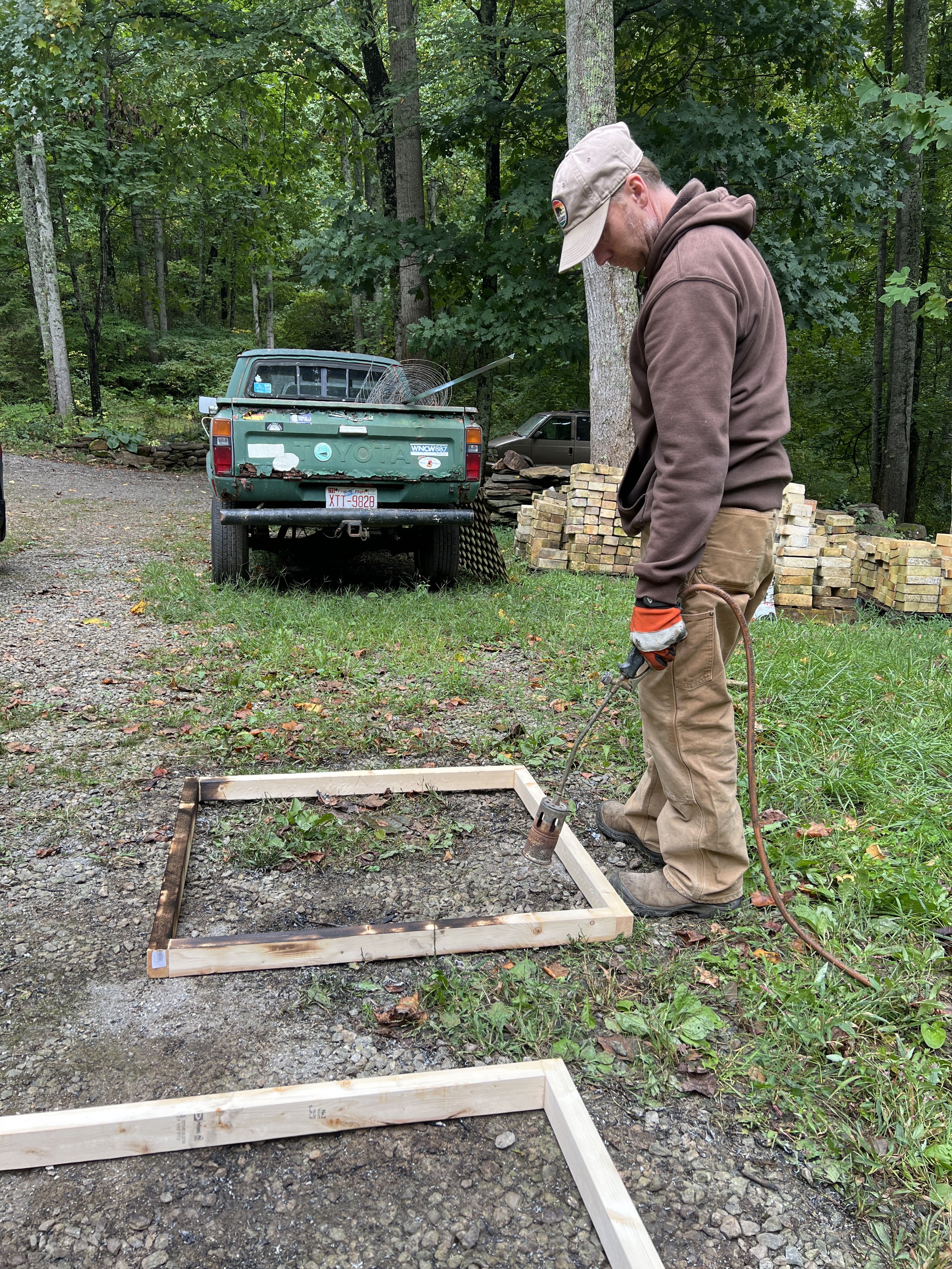
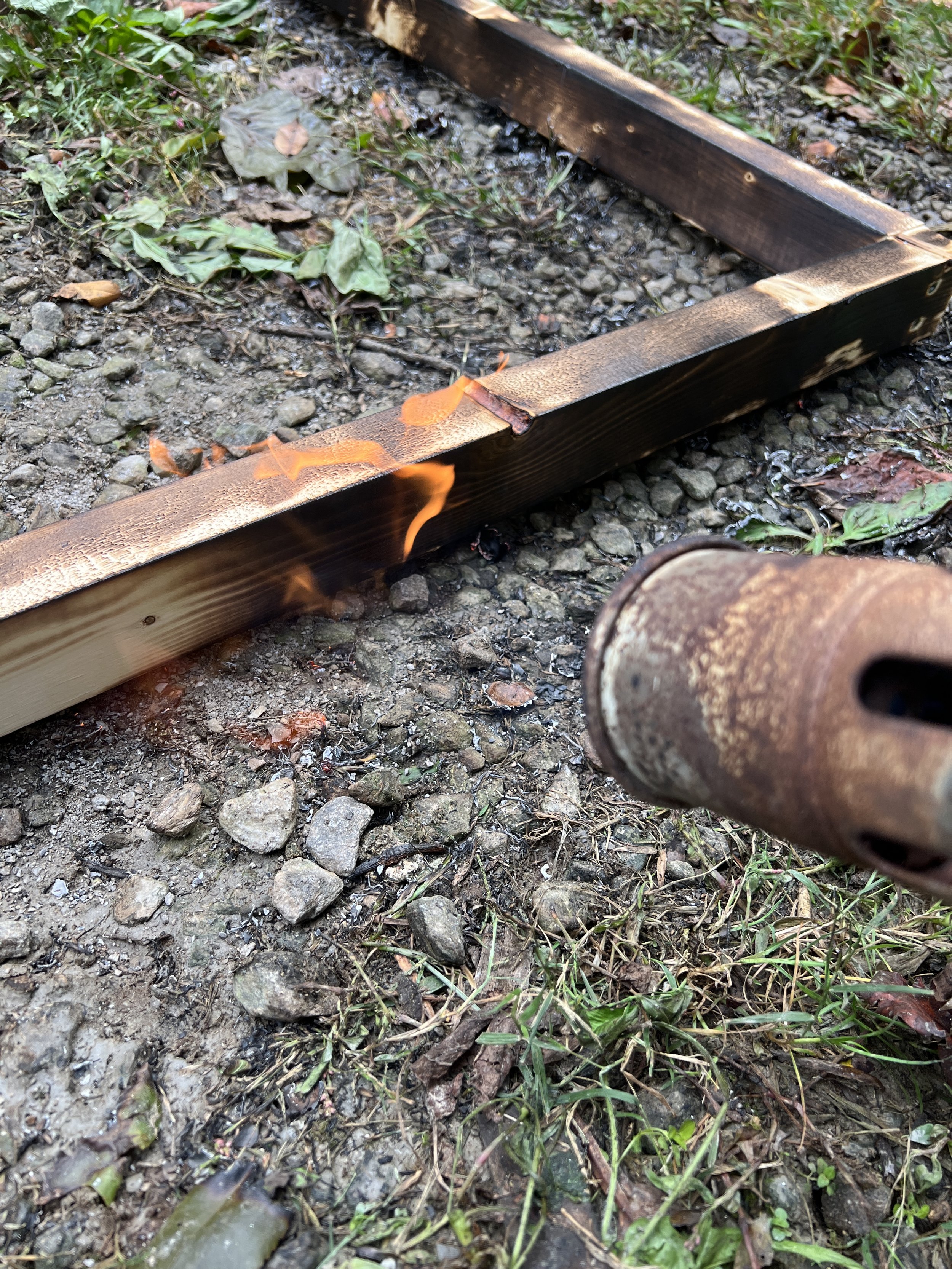
  • IF you are charring your wood, do that after it is cut, before assembly.

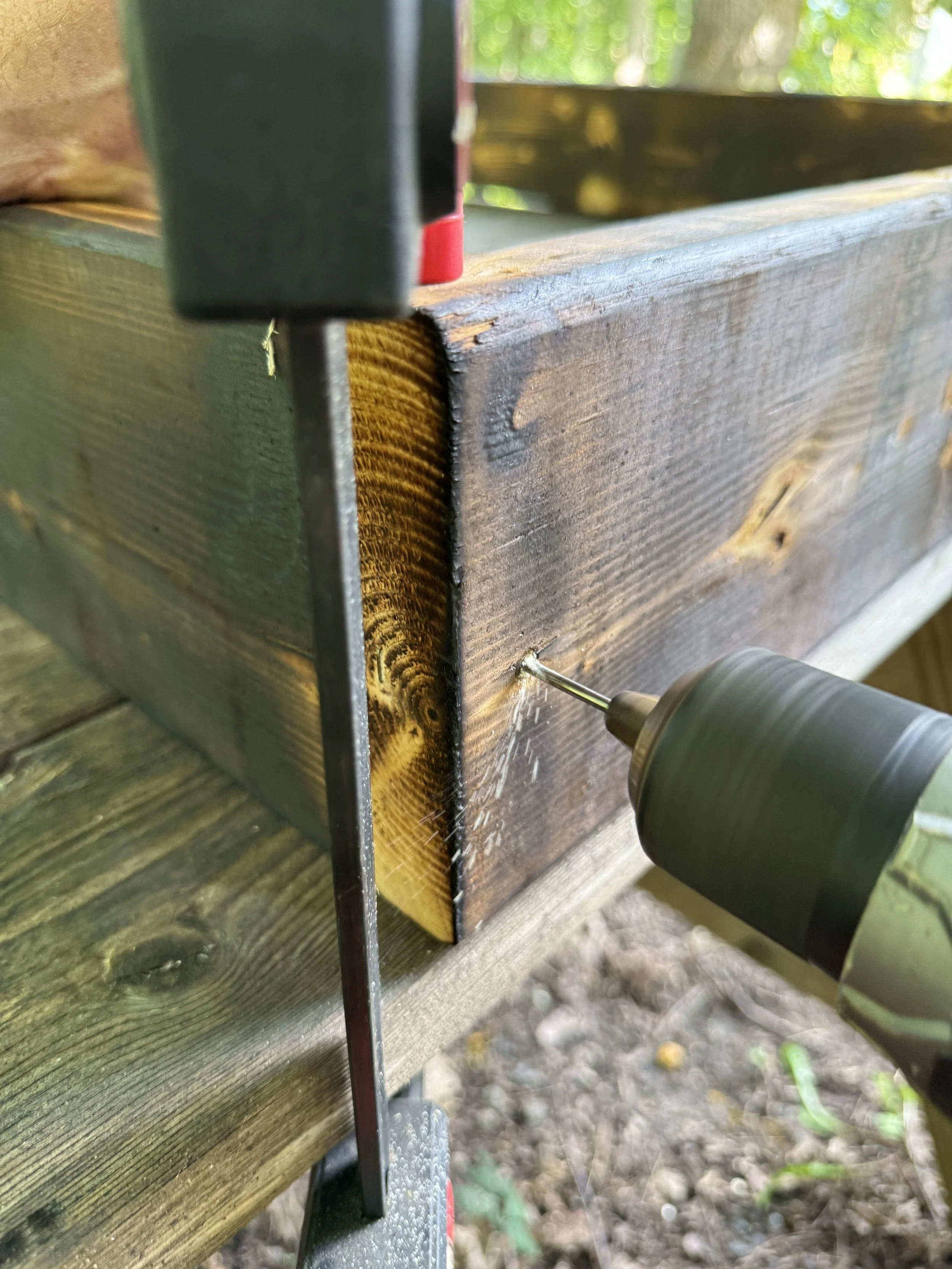
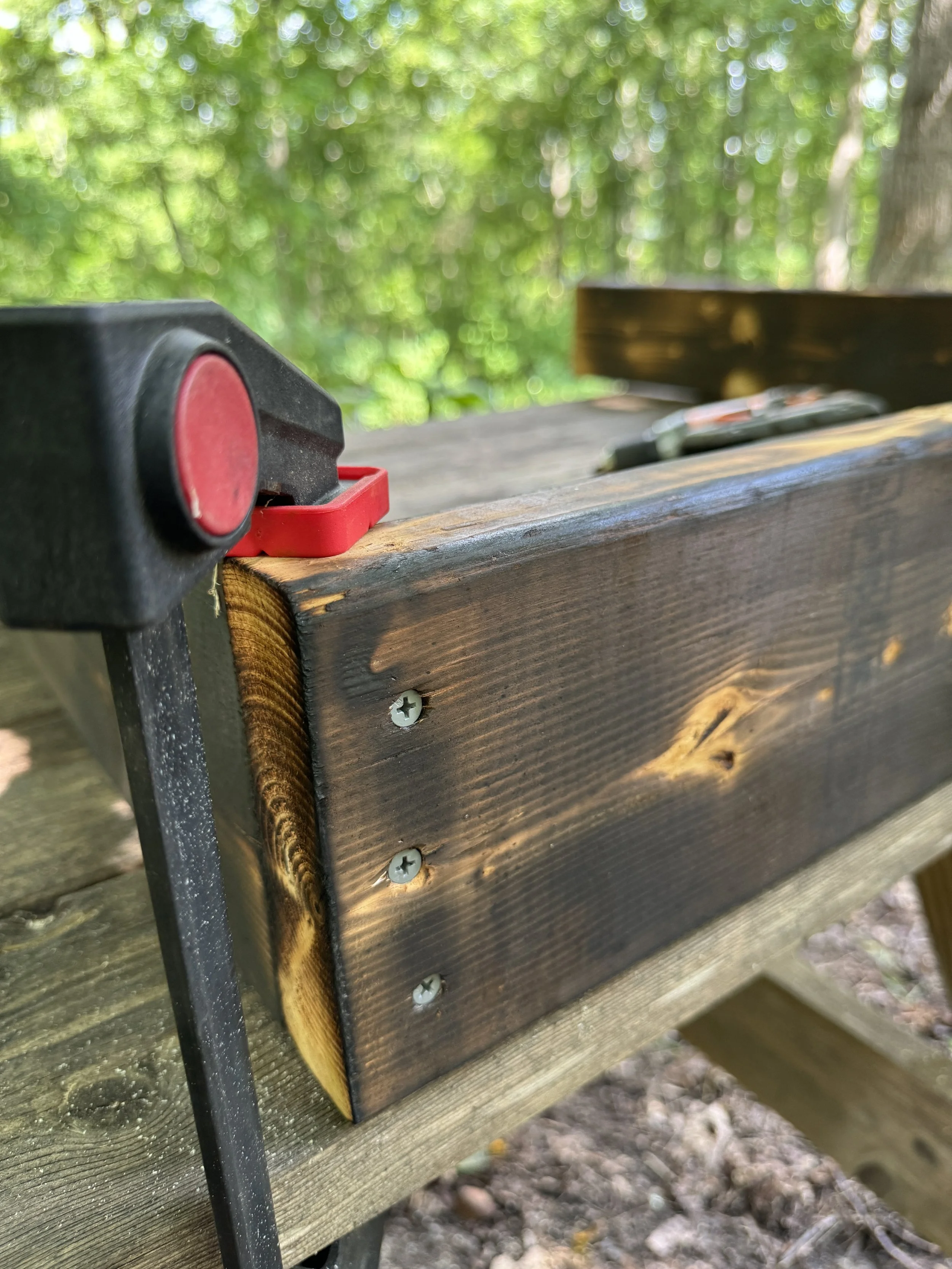
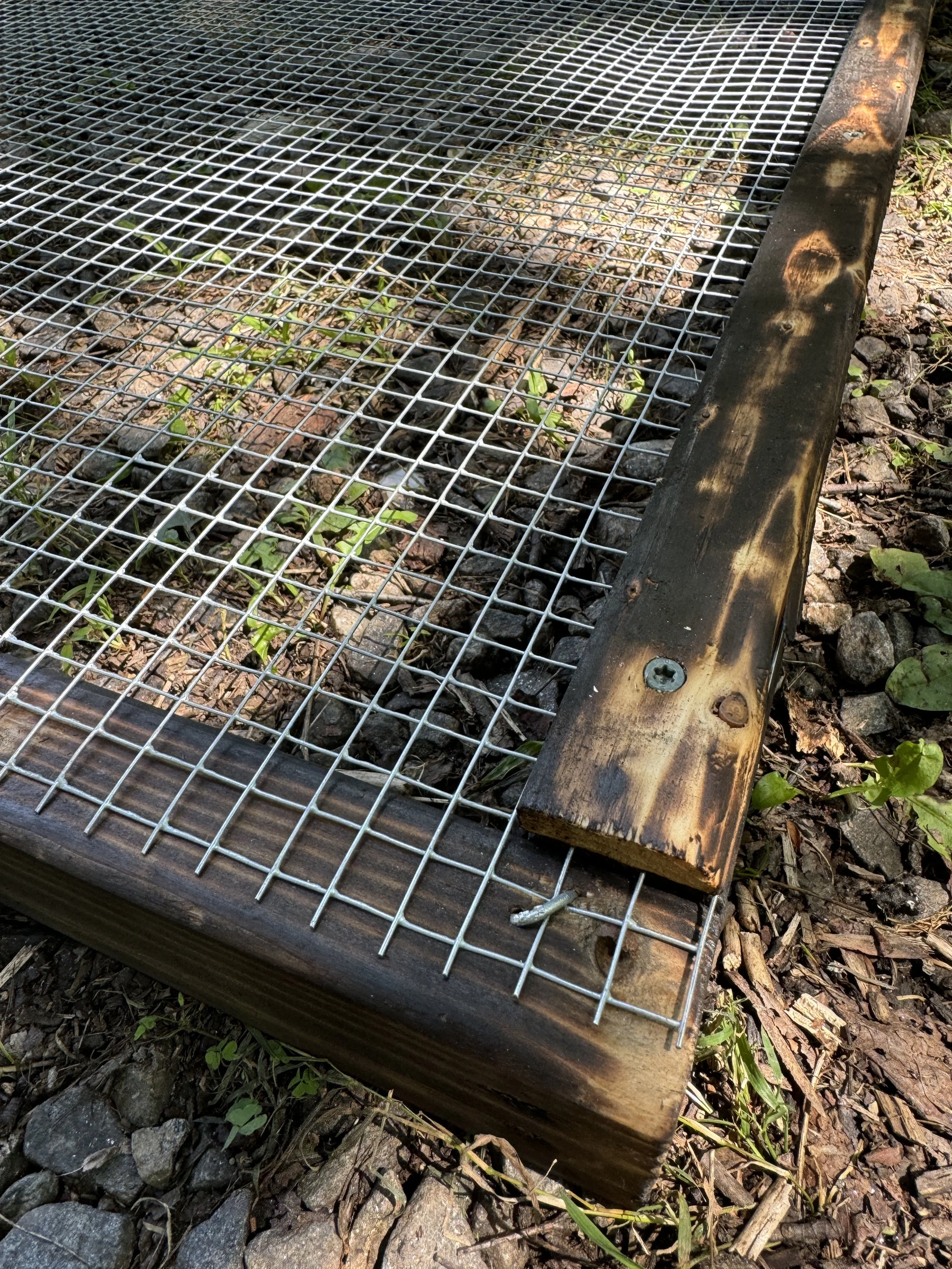
  • Assemble box with the 37” pieces opposite each other, with the two other pieces between them. You may want to fasten them together with clamps while you drill the holes for the screws.

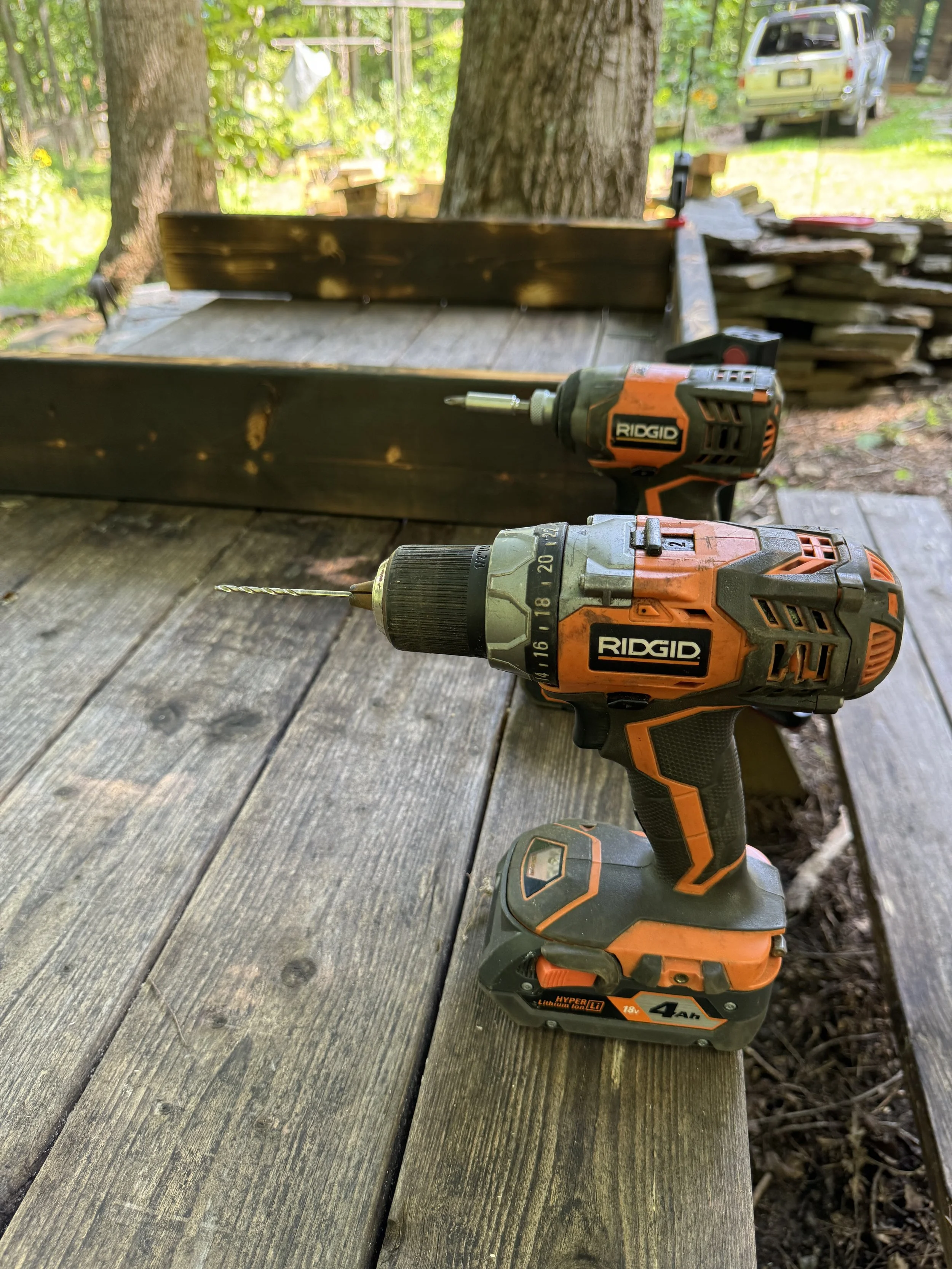
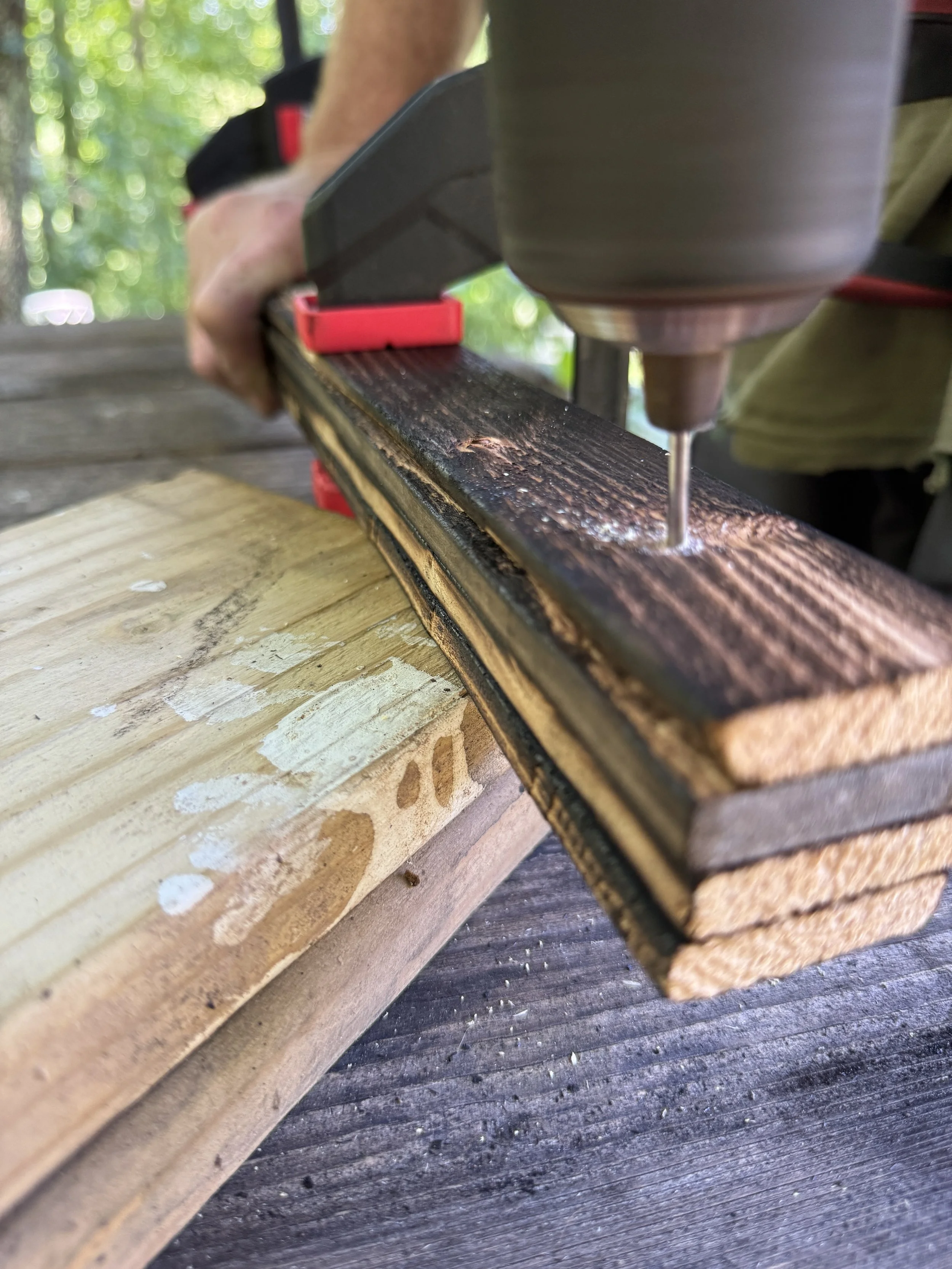
  • Drill holes for screws, three on each end with 1/8” drill bit to prevent splitting when driving in screws.

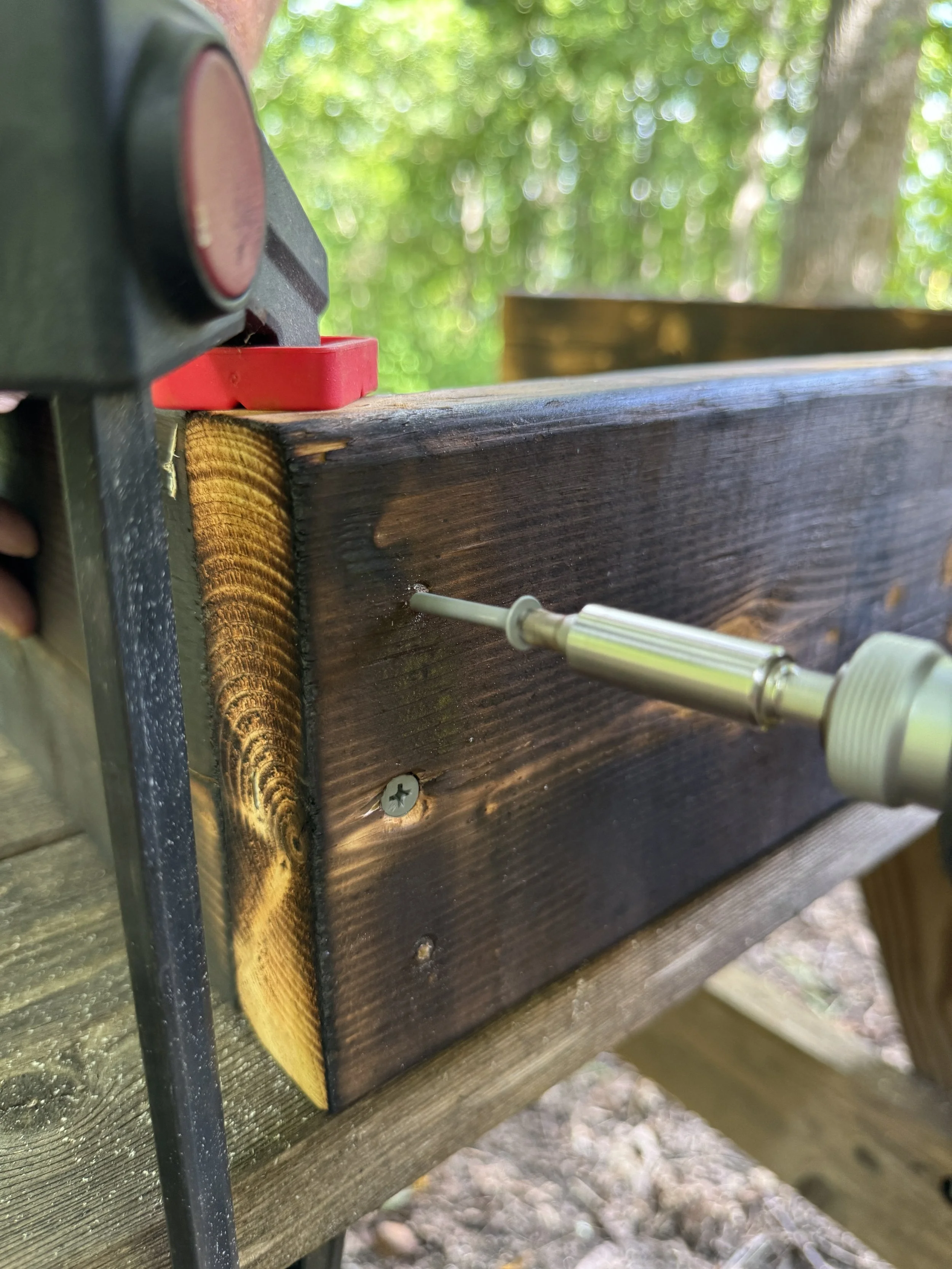
  • Screw them together.

Next

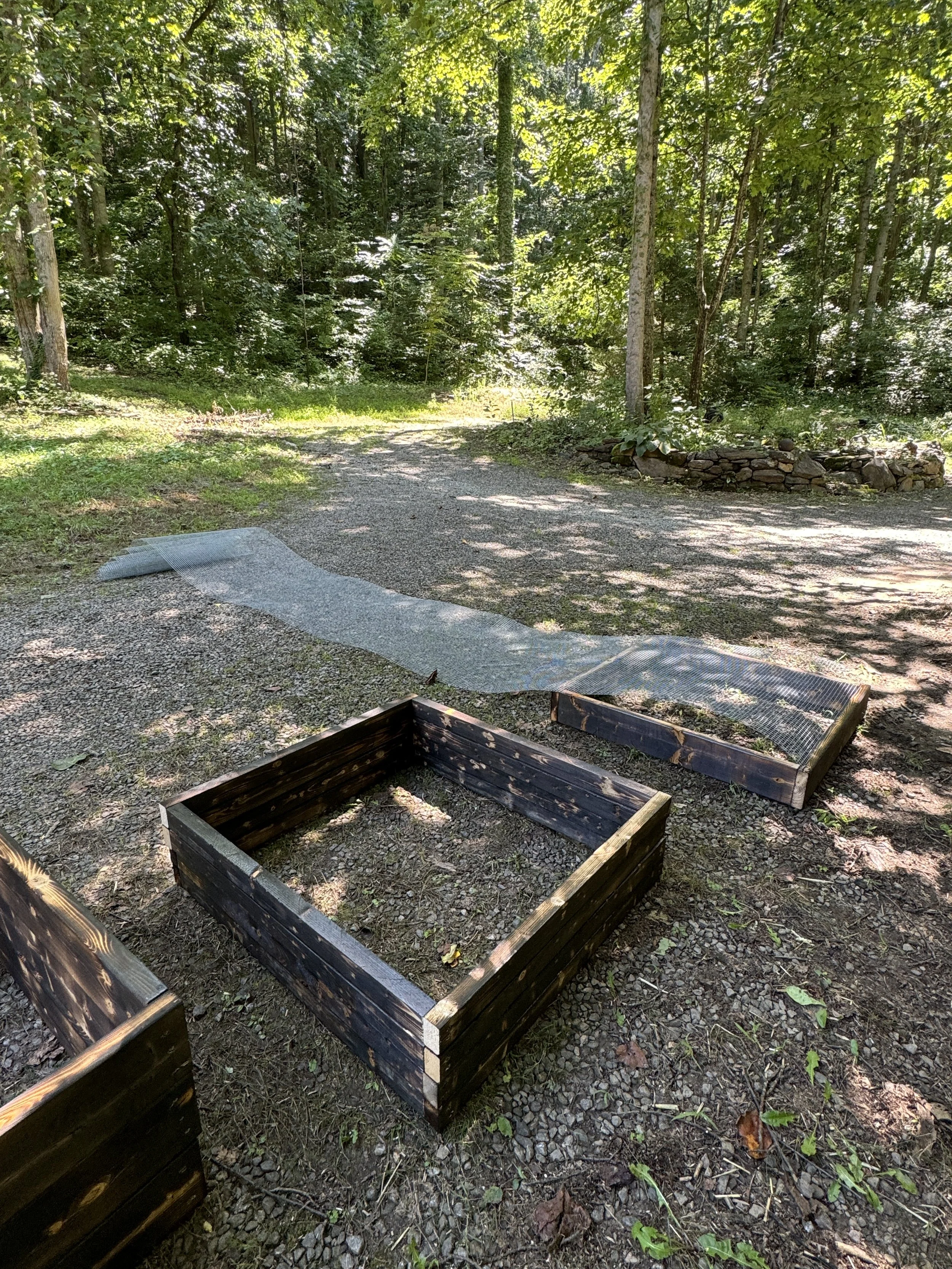
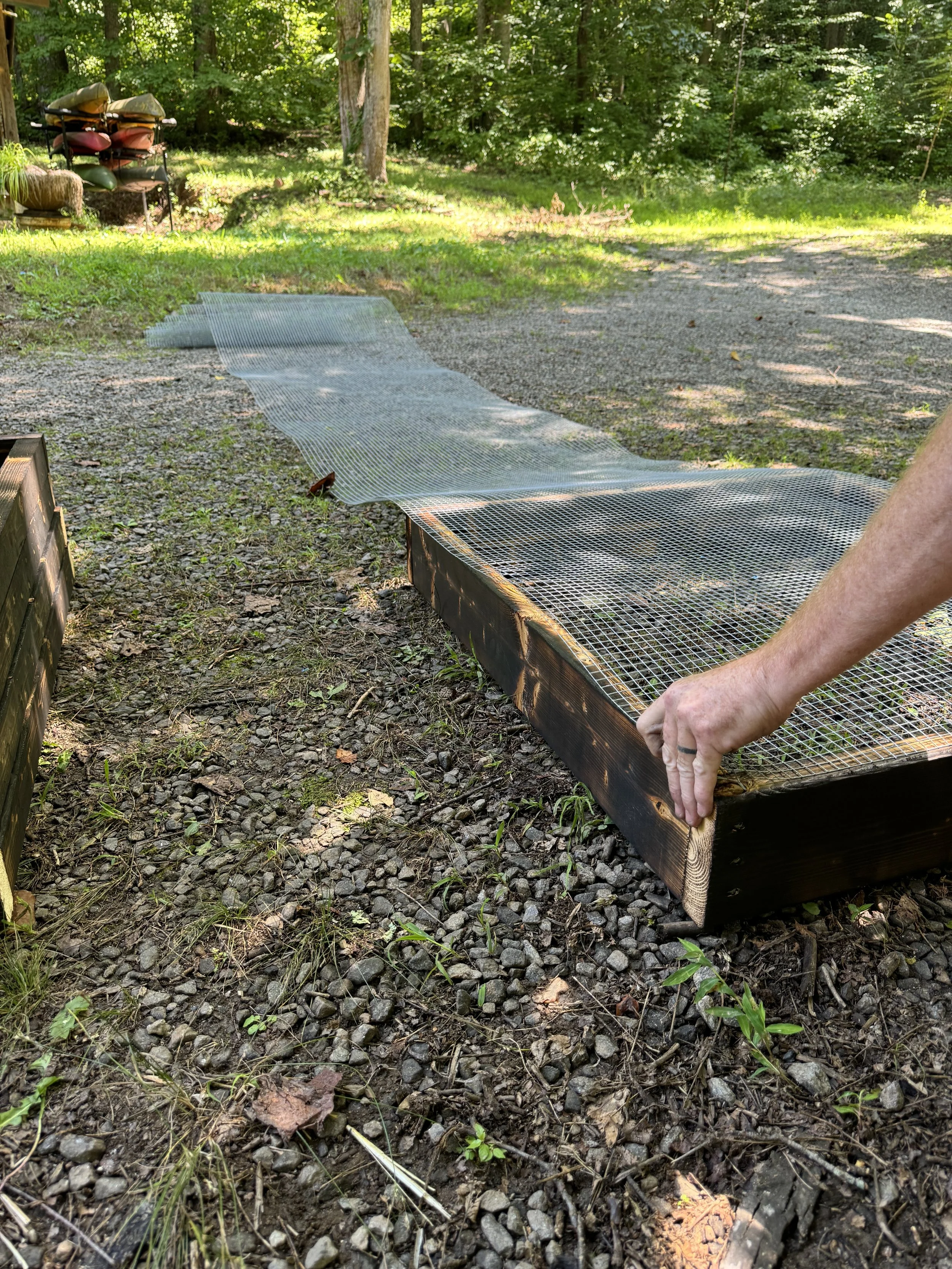
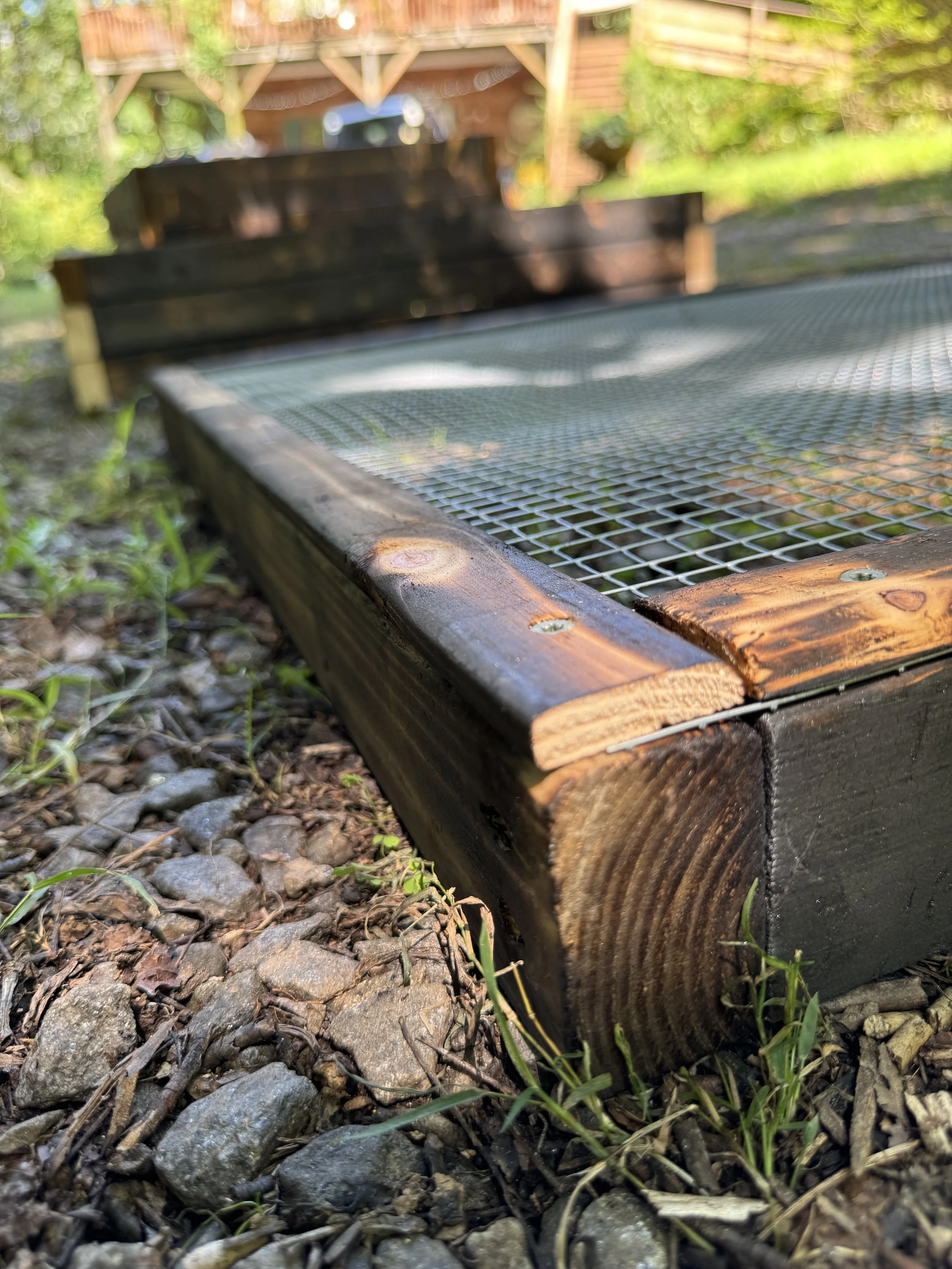
  • Roll out some hardware cloth onto the box placing the end onto one of the 37” pieces of wood so that there’s around 1/2” wood border on all three of the sides. (We found it easiest to staple it down on the three sides until you get about 6” from the end that needs to be cut)

  • Cut to fit, then finish stapling.

    Ta-da! That’s going to be the bottom, where you’ll be putting the soil and planting the seeds.
Now for the lids:

  • From each 12’ 2x4, cut two pieces to 37” long (just like we did before).

  • Cut remaining pieces of 2x4 in half.

  • Char (optional)

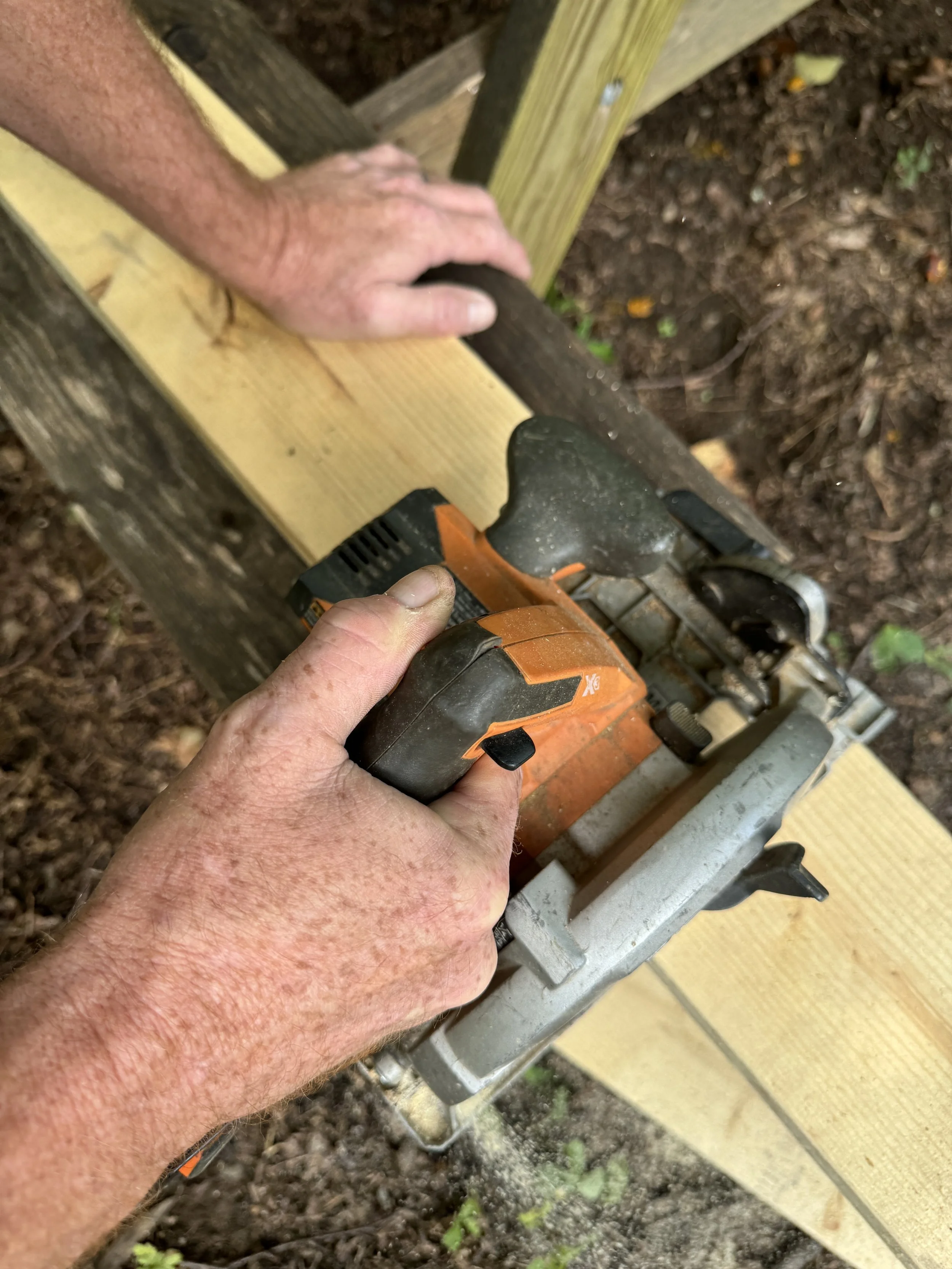
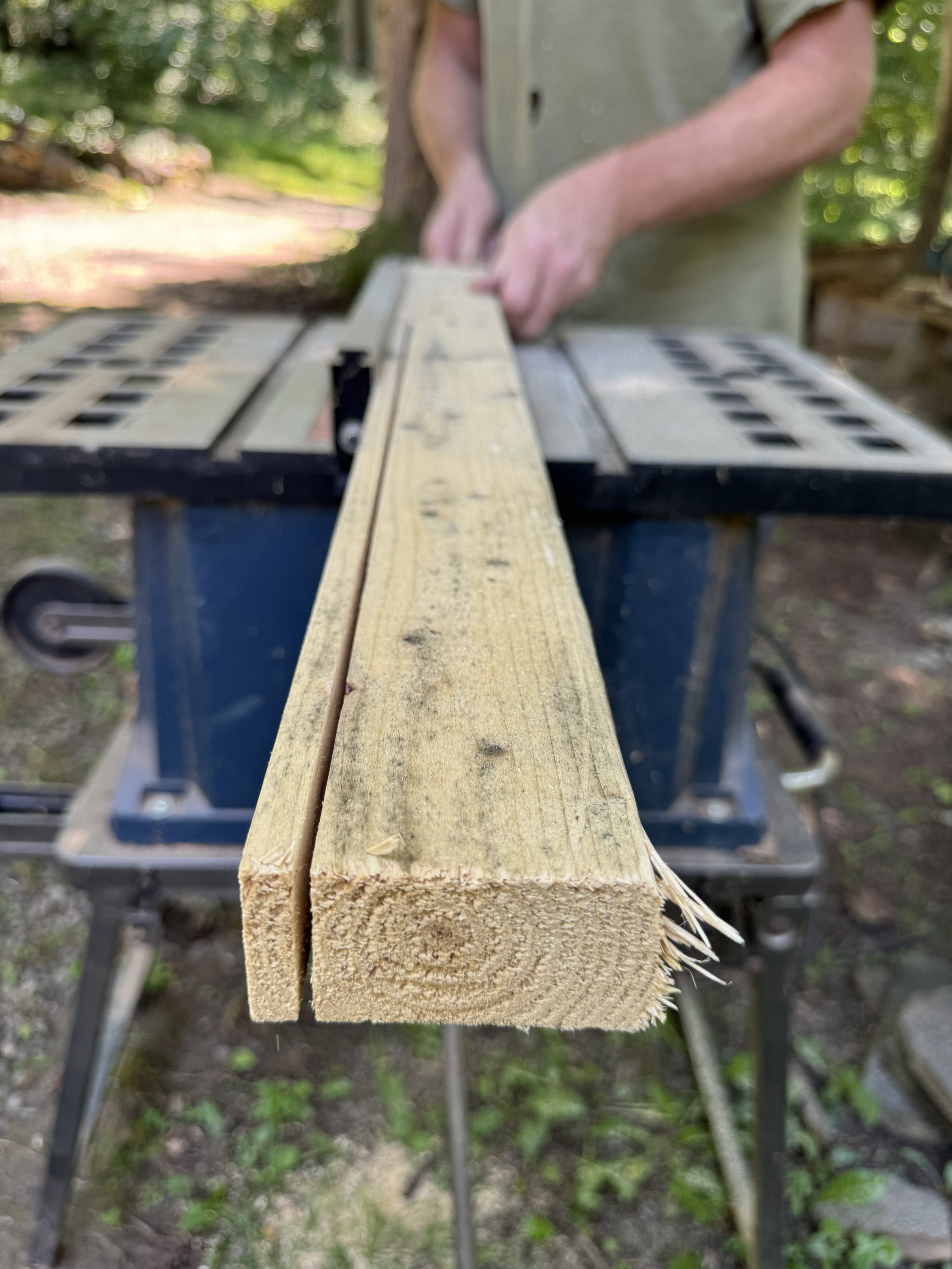
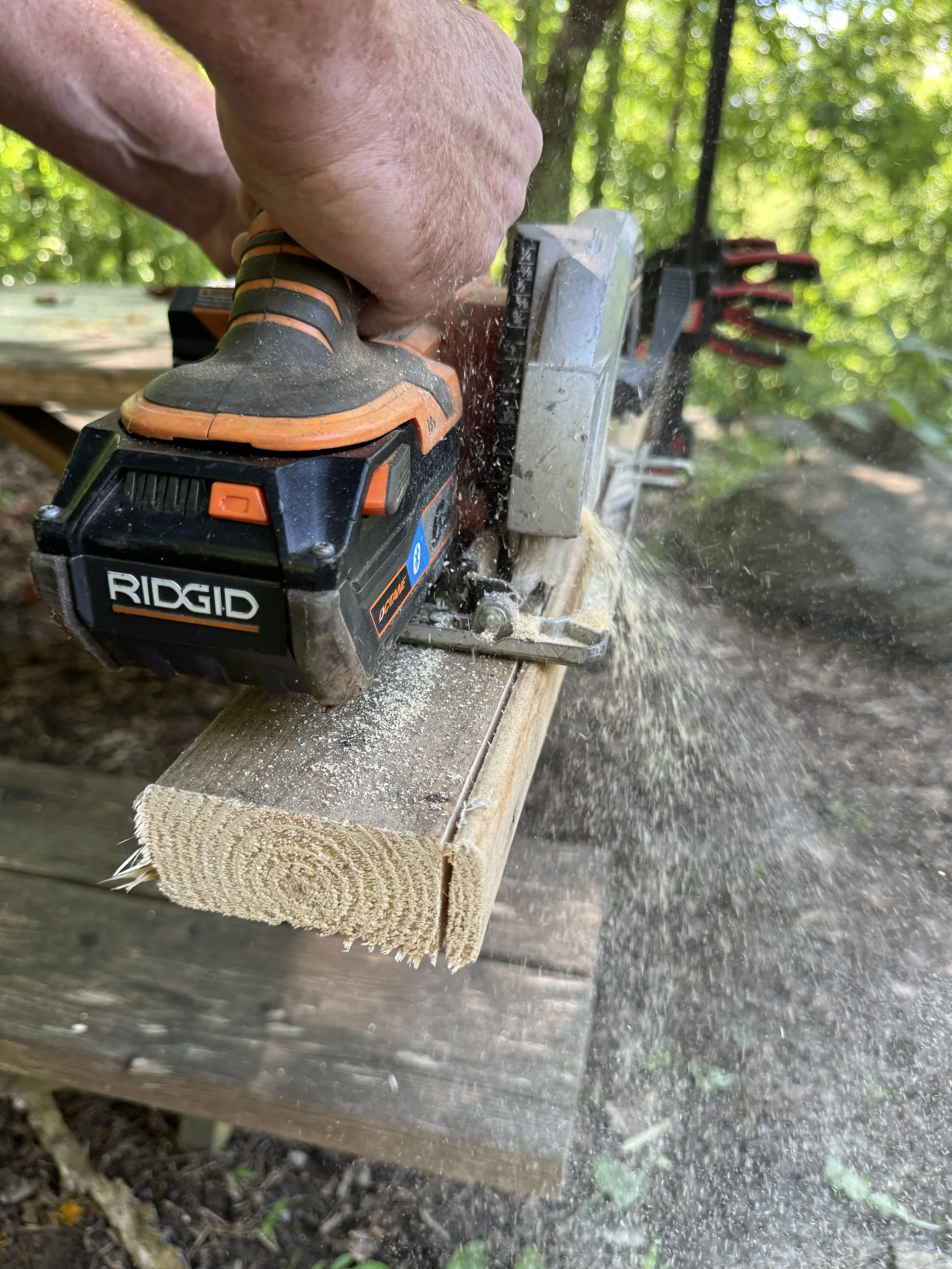
  • Now rip 1/2” off of the edge lengthwise of each piece of 2x4 to be the screen edge cover (depending on the tool you’re using you can do this before or after cutting them to size). Unlike the bottoms, you’ll be coming into contact with these lids, so it’s nice for them to have this little trim piece to keep you from getting cut by the wire ends when handling the lids.

  • Pre drill holes for all of these just like the others, including the trim pieces.

  • Do the screen just like you did for the bottoms.

  • Add screen edge cover and screw down.
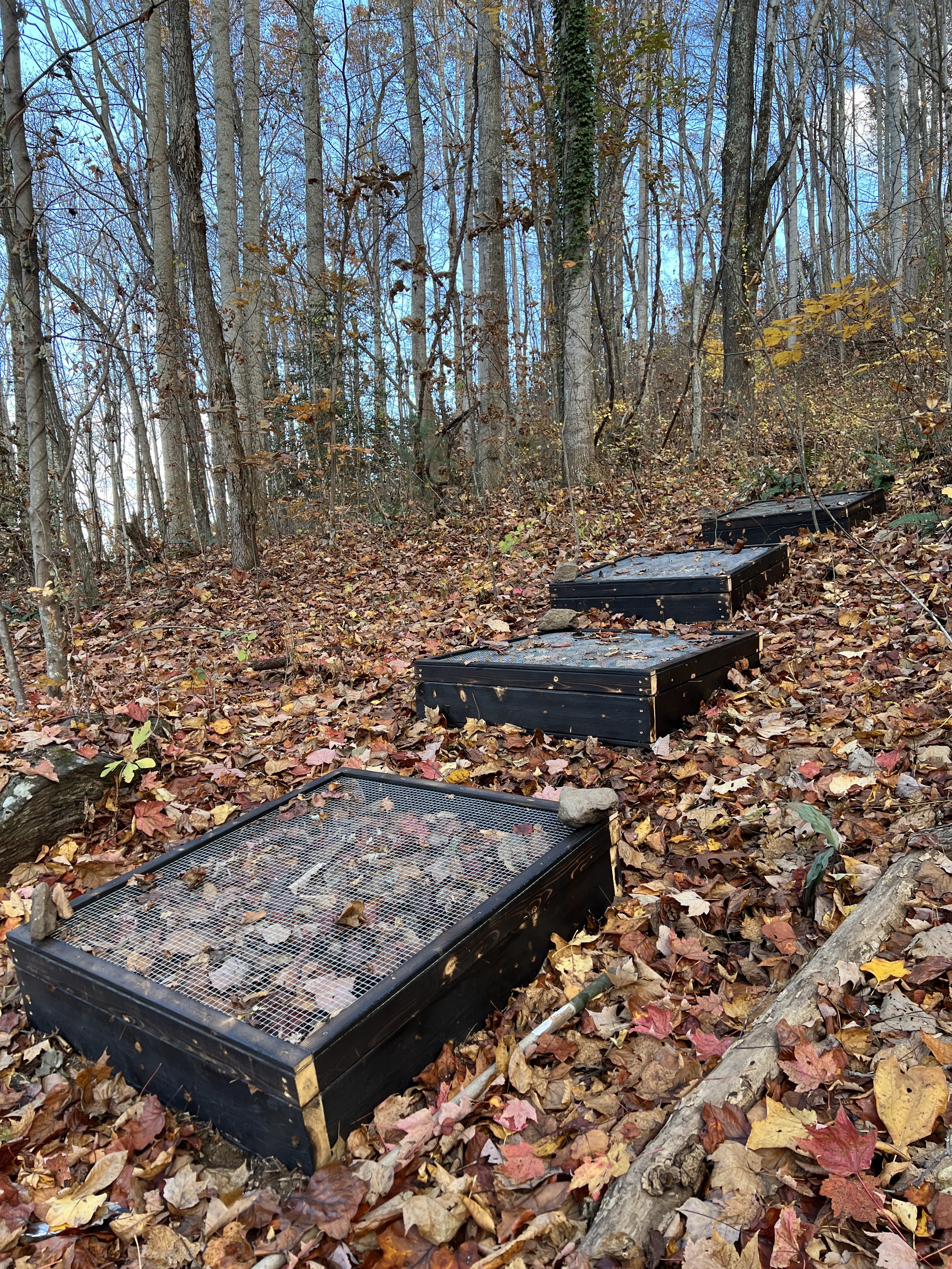
That’s it! You’ve made your own nursery boxes.

Now you’re ready to plant seeds and grow native plants in your forest or front yard.

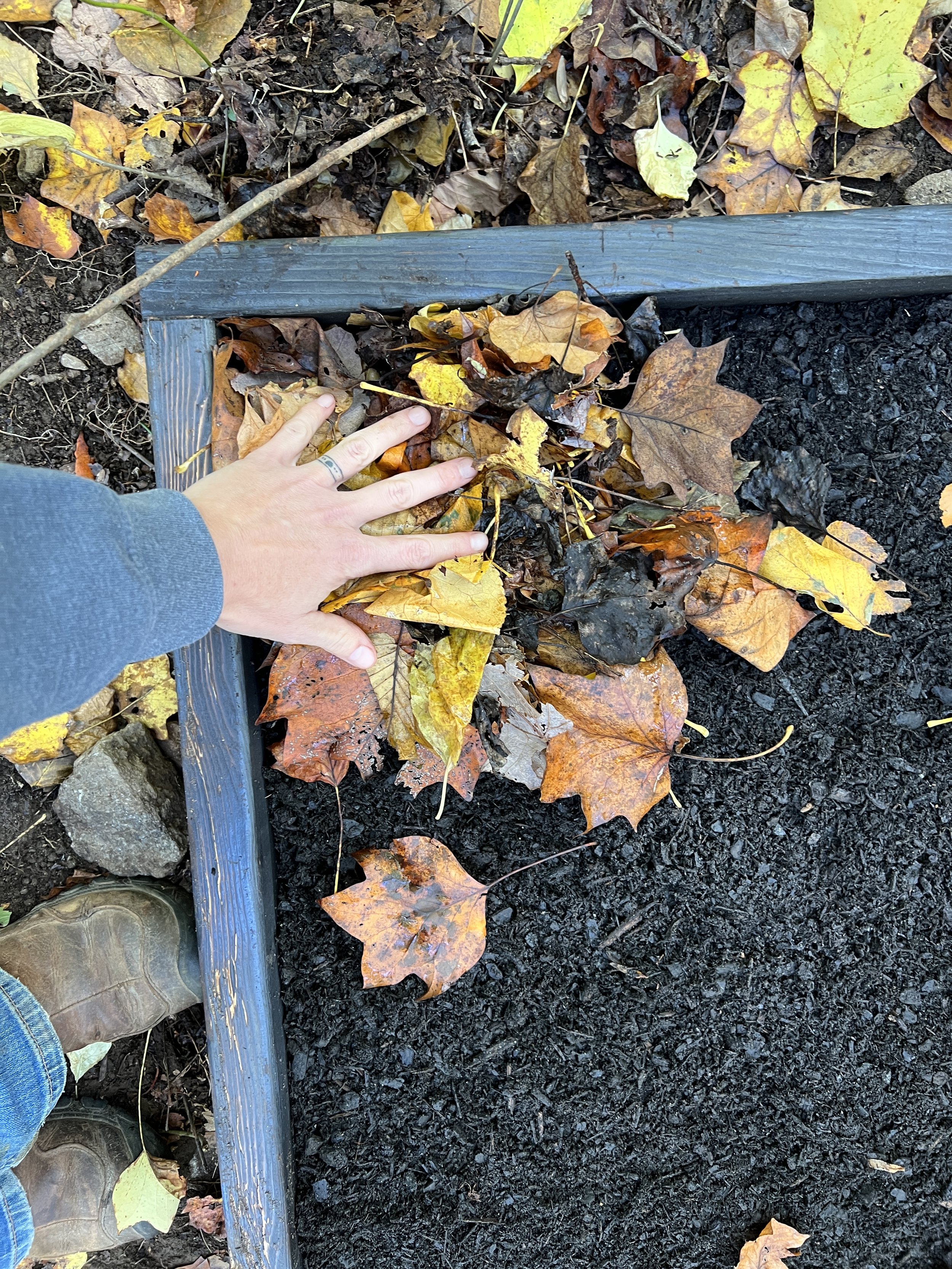
Place the boxes in a place where the plants you’d like to grow would thrive. Just be sure to pull any plants and especially vines and briars out of the soil where you’ll be placing your boxes, since some plants might remain in the nursery boxes for months or even a year or longer depending on the species. The fewer ‘weeds’ you start with, the better, for the seedlings.
Happy Growing!

Mushroom logs in the forest

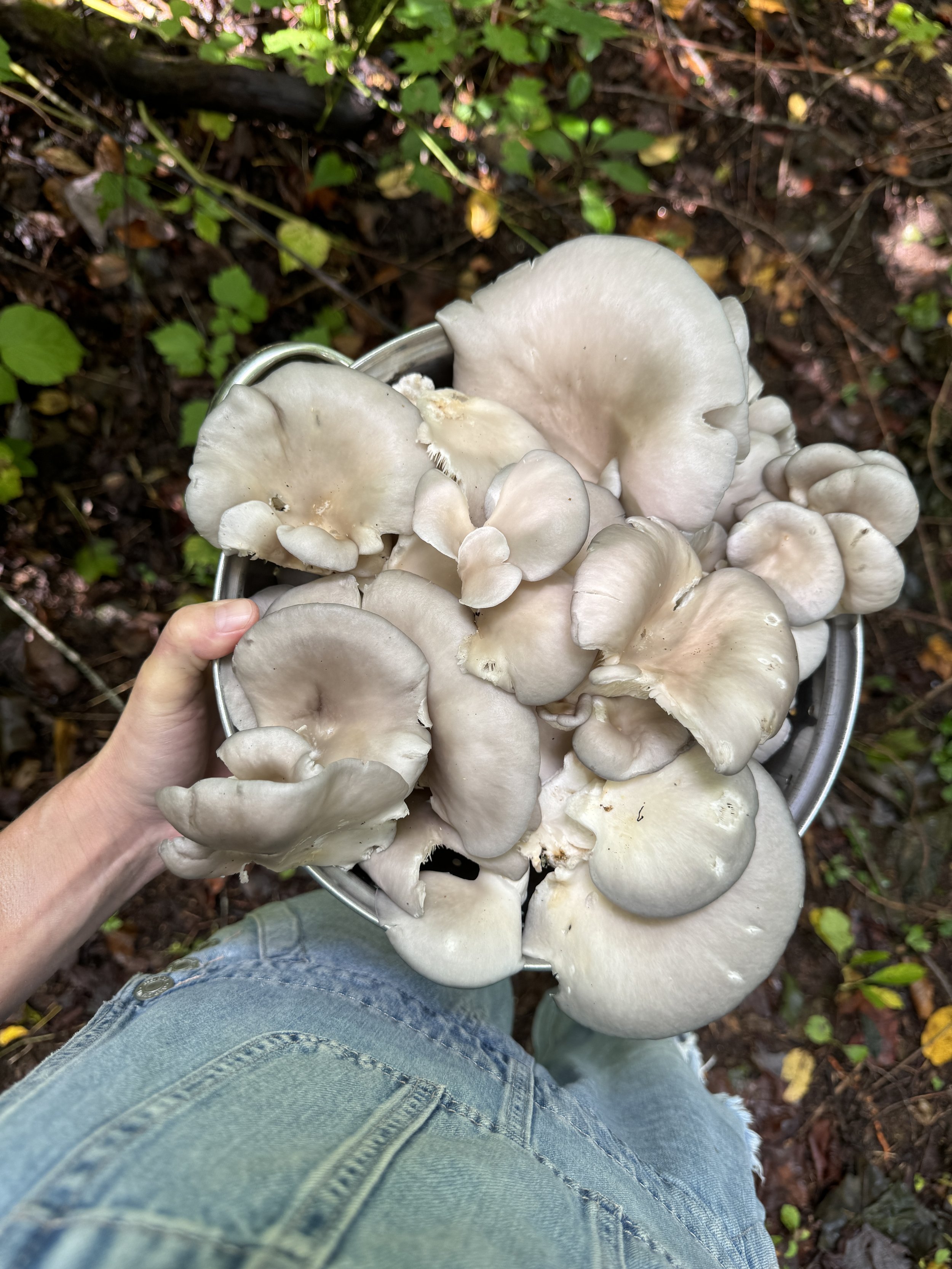
Matt and I have been experimenting with mushrooms for a few years now and we’re slowly learning what works best for us here. Last year we got some nice flushes of Oysters in September and late October, as well as our first Chestnuts, and a lone Shiitake.

Warm Blue Oyster Pleurotus ostreatus

(past their prime) September 20th, 2024

We’ve been ordering our spawn from Mushroom Mountain in GA for a couple of years now, and I picked up some sawdust spawn and tools from them last spring at the Organic Growers School Spring Conference, allowing us to start using the sawdust instead of the wooden dowels. It’s more cost effective, easier, and we’ve had better success with it, so it seems like it was well worth the small investment.

Here are the steps we took to inoculate this last batch (winter-early spring of 2024), which we got some mushrooms off of (Oysters and Chestnuts) in the fall of the same year. We only got that one Shiitake so far, but I’m hopeful we’ll see more of them later this year.

First we cut down our tree(s). This year we harvested a small Oak that was going to get hit by a dead standing White Ash when we cut it down (we have the Emerald Ash Borer here in WNC, decimating our Ash populations leaving huge, dangerous dead trees in their path). We also took some limbs from a number of Tulip Poplar trees. We like using the log cabin method of stacking so we measure each piece so they will stack nicely.

I use my Instant Pot to melt my jar of wax, that way I can just put the jar of wax away when we’re finished and get it out the next time we’re doing this and get it pre-heating (I like to start the wax at least an hour before we’re starting to drill holes). I generally use beeswax but that’s just because I can get it easily locally. It’s definitely not the most cost effective wax to use. I believe many people use cheese wax, soy wax or paraffin.

After plugging and waxing we soaked these logs for a bit since they were on the dry side and there was no rain coming for a few days. This soaking may have been the difference since these logs did better than any we’ve innoculated before.

Things we learned this year'-

  • Warm season Oysters get eaten up fast by little insects. They’re great to have around for personal use but they would be tricky to get to market looking good, so I may focus on cool season Oysters and other species of mushroom from now on.

  • Soaking after inoculation is a good idea if you’re in a dry spell.

  • Sawdust spawn is faster, cheaper and easier to use

  • The fancy drill bit is worth the investment.

  • Mushroom inoculation is so fun, and what’s even more fun is when you go for a walk and find them fruiting!
Potter On The Farm

I started a new business!

Hello! Lindsay here with exciting news!

You may know that I worked for many years under the business name Lindsay Bostic Pottery. It feels a little bit sad to be retiring the name, but it’s time. Bostic was my maiden name, and became my middle name when I got married to my husband Matt in 2019. Being Lindsay West of Lindsay Bostic Pottery felt a bit confusing, but more importantly, over the past few years I’ve slowly realized that making pottery full-time isn’t right for me at this stage of my life. After 20 years of working outside with plants in the light, moving around getting exercise, my mind and body have come to expect that from me, so I really missed it (and it took me a while to surrender to this knowing). I’m still making pottery, just in smaller batches, and I get to go back to my roots and work with the plants in a way that feels super fufilling and good.

My first plant job, Reems Creek Valley Nursery, somewhere around the year 1999. I got my worker’s permit for this job so I must’ve been about 15. I learned so much working here over the years with my mom, and many others.

Looking back through pictures of past craft/farmer’s markets I found some from when I had hit my stride with the pottery, and a few from the 2016-2018 years when I was taking produce and pottery to smaller markets. I had the right idea when I began, I just hadn’t found my niche yet, but I think I’m finally getting there..

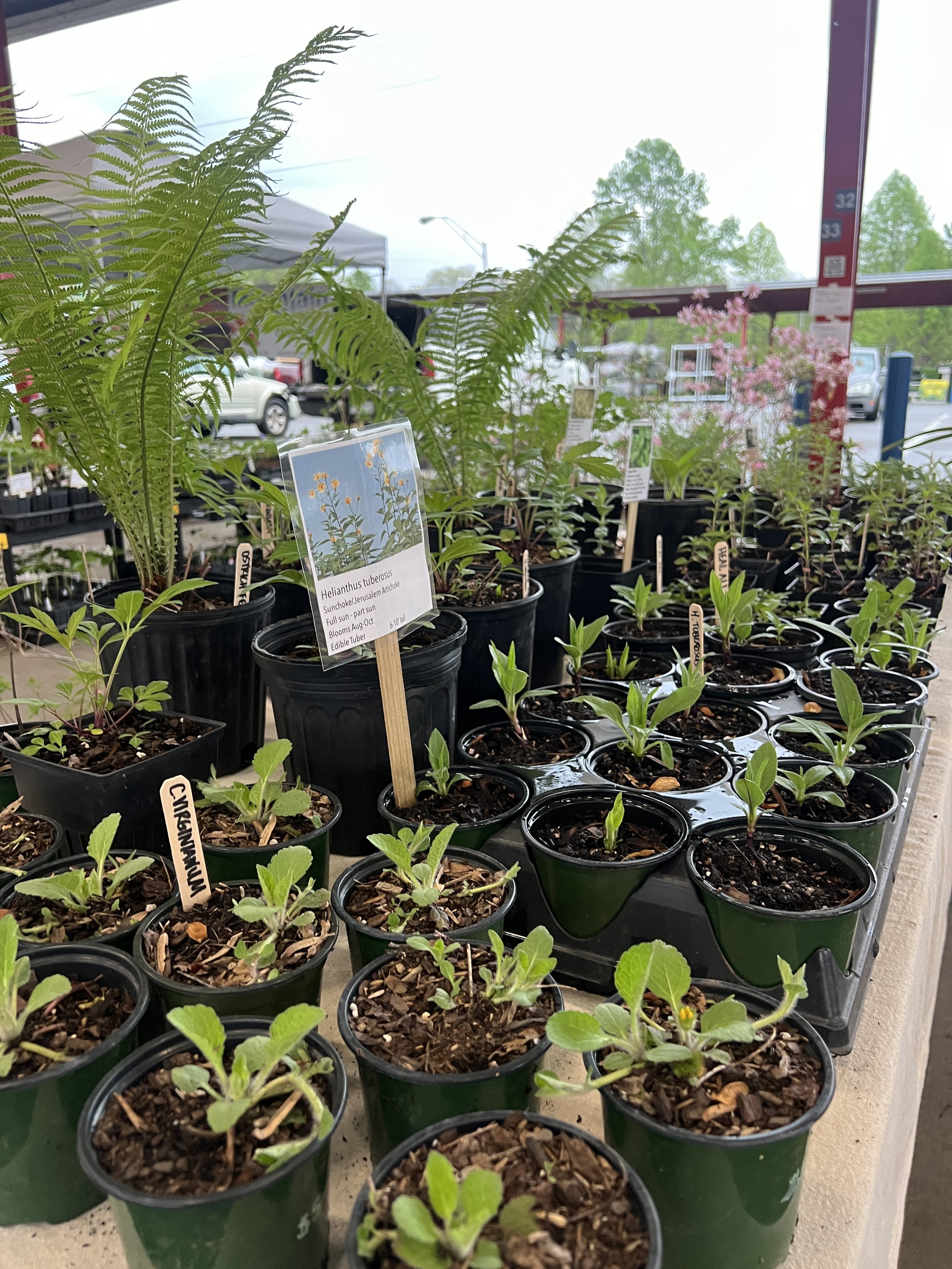
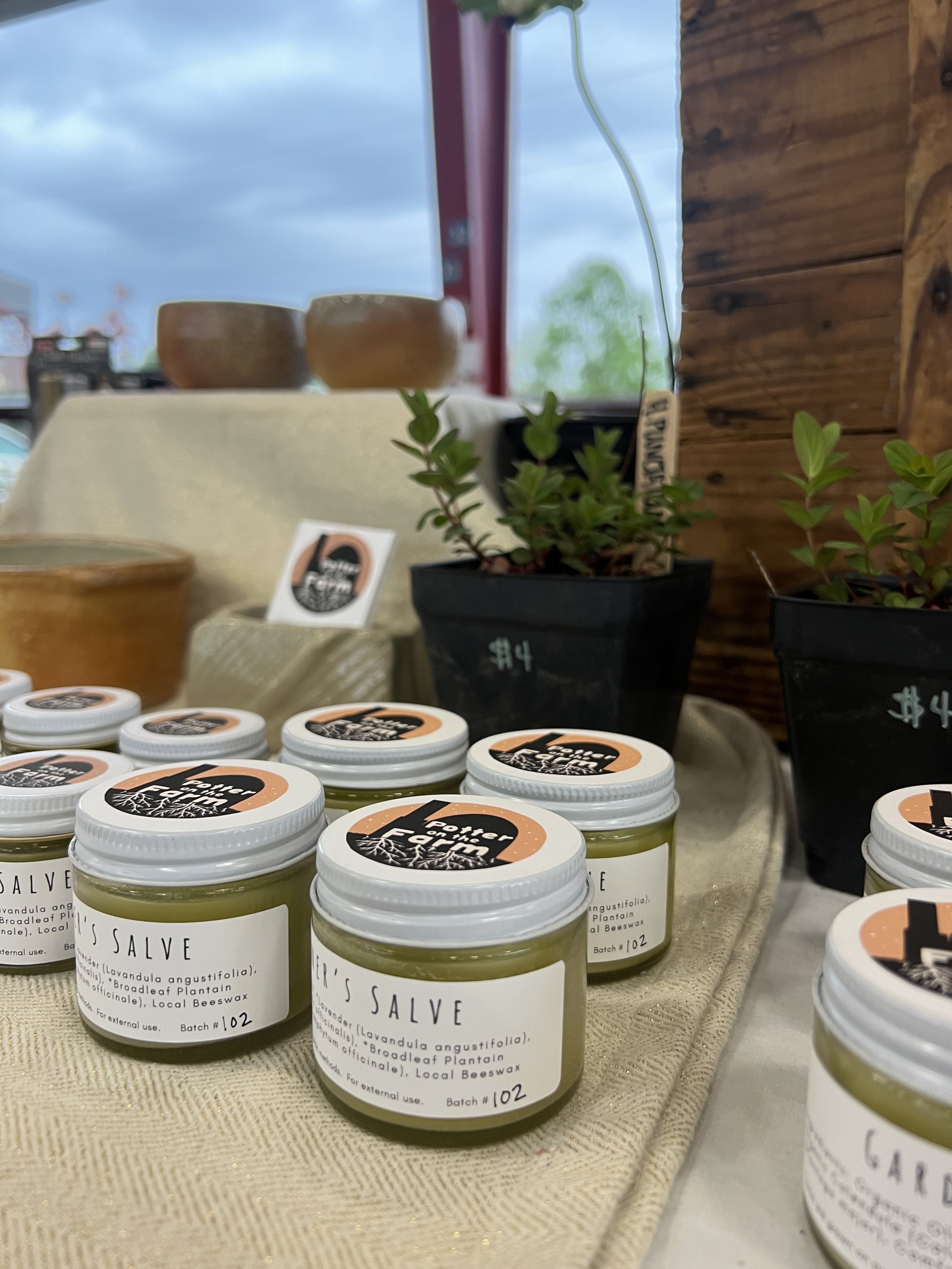
I’ll be popping up at local markets with pottery, native and medicinal plants, herbs, salves, and other seasonal offerings from the farm. You can find my calendar here. I’ll be doing more online sales this year as well. Stay tuned through my POTF website (and social media which you can find through my website as well)- https://www.potteronthefarm.com.

Thanks for reading, and for sticking with me through these changes!

Forest Farming Beginnings

Howdy! Lindsay here. Welcome to my very first forest farming blog post!

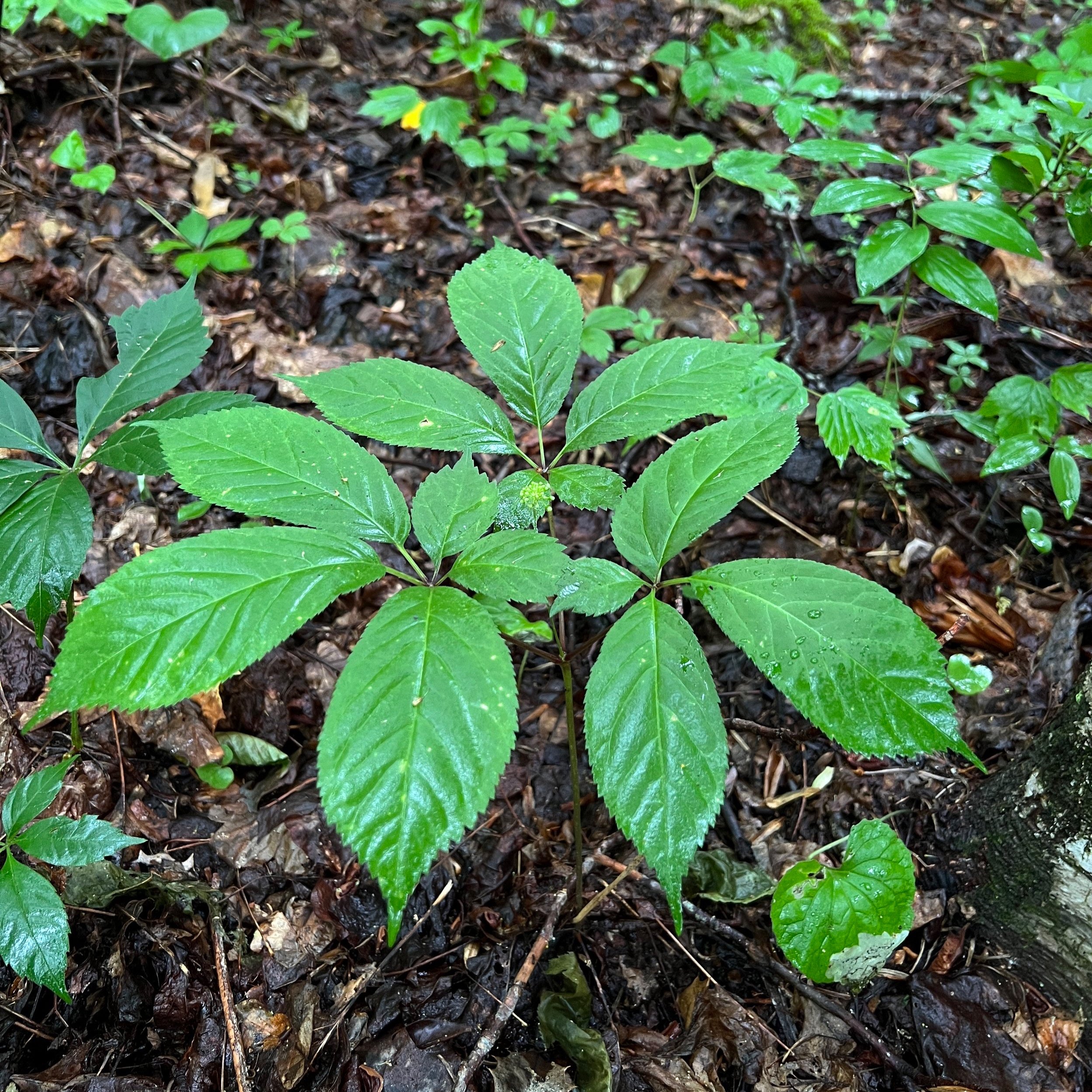
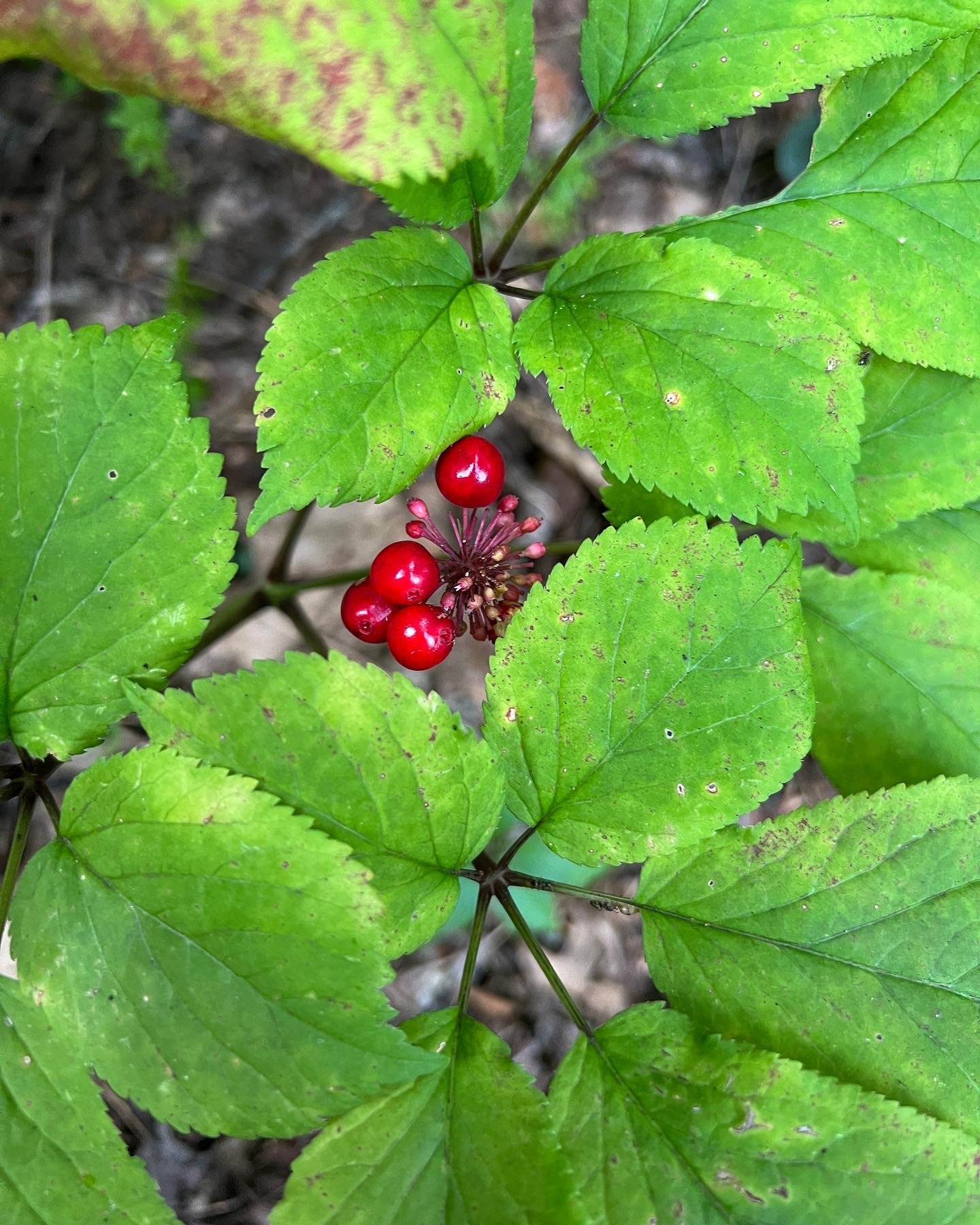
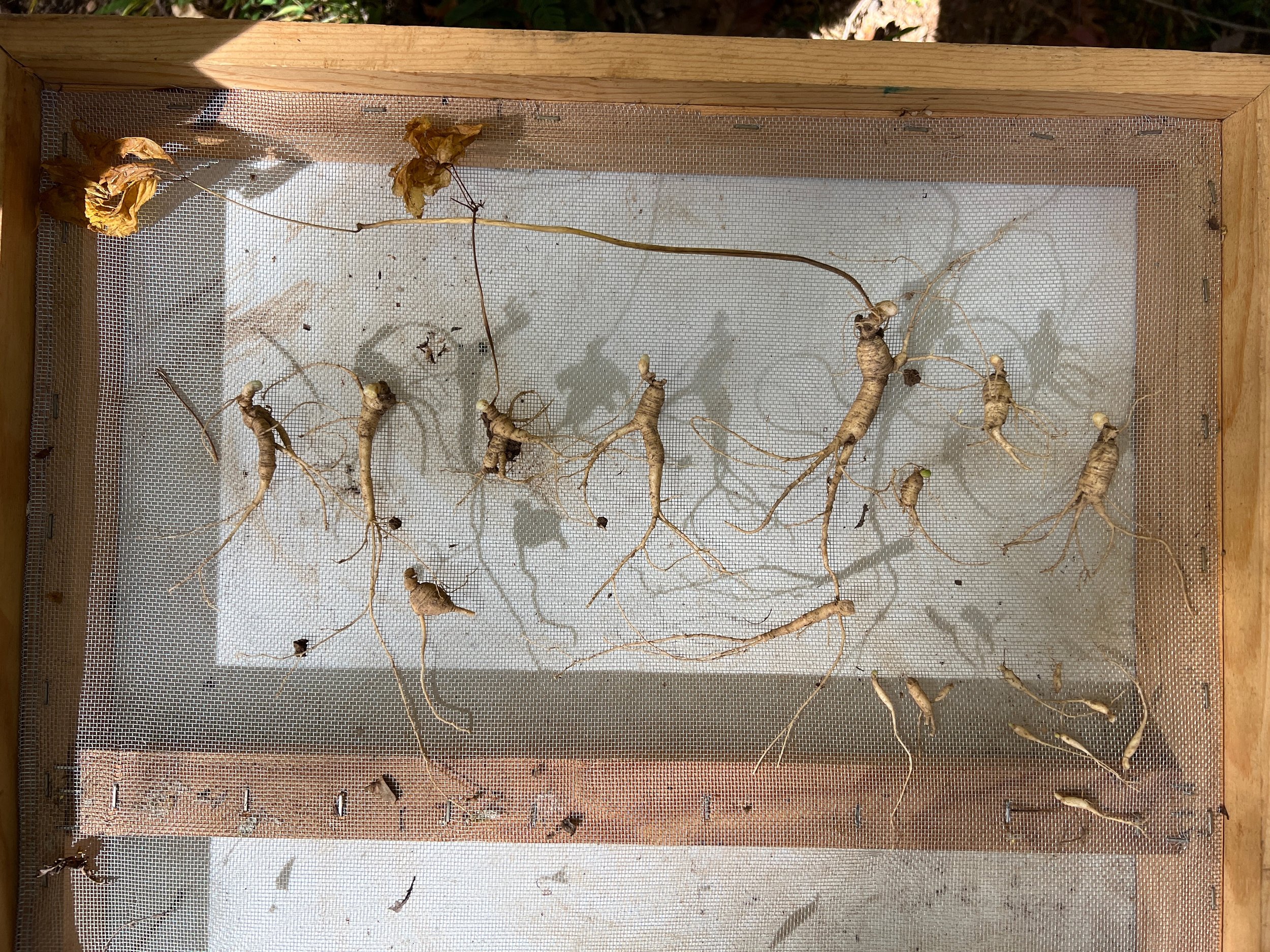
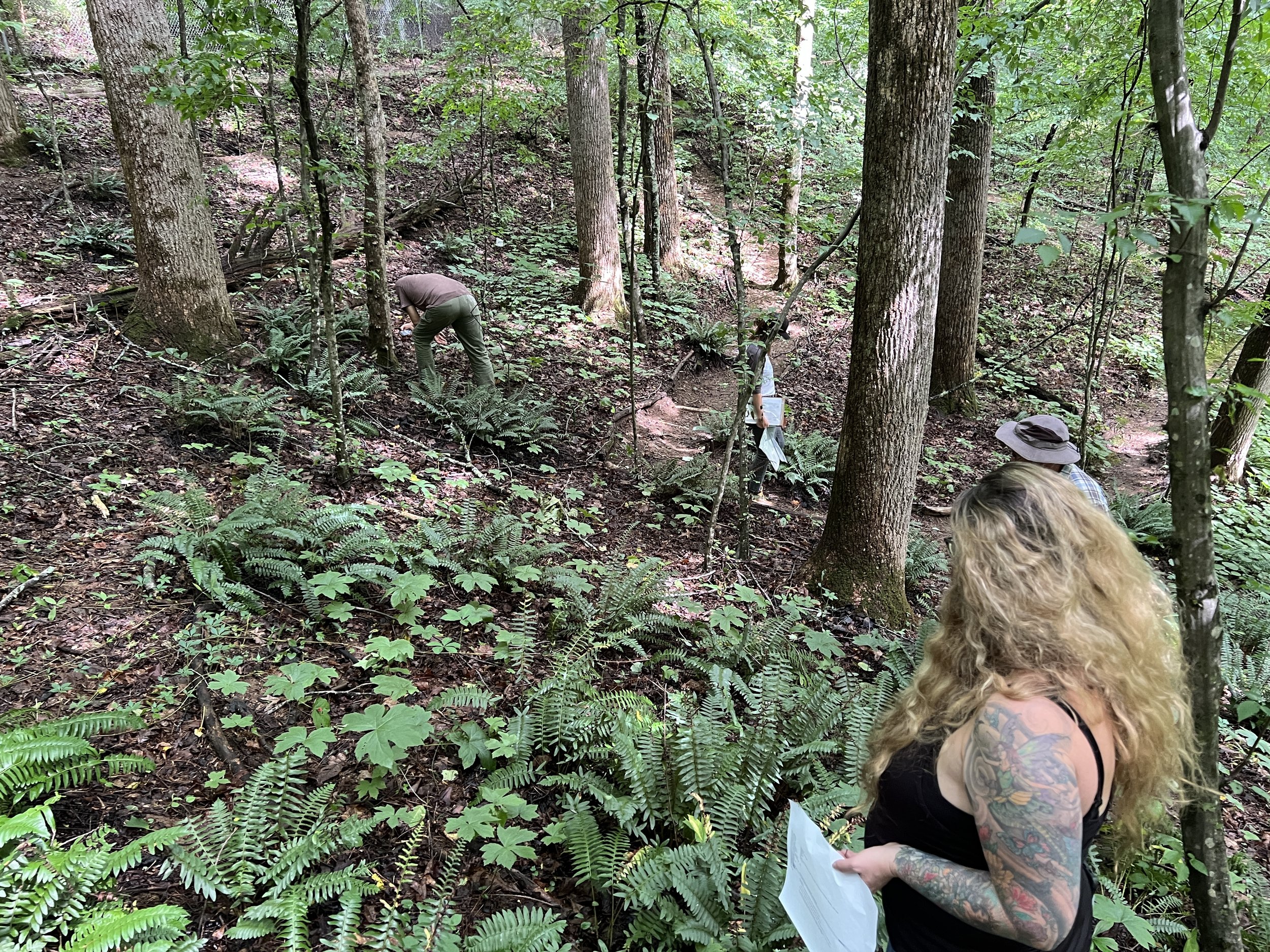
Although this is the beginning of the blog, and of our commitment to forest farming, Matt and I have been casually learning about, protecting and propagating some of the special native, medicinal and at-risk plants in our forest since 2015. We have some nice populations of Ginseng, Black Cohosh, Stoneroot, Bloodroot, Solomon’s Seal and many others, and through good stewardship practices we’ve watched these populations grow over the past 8 years.

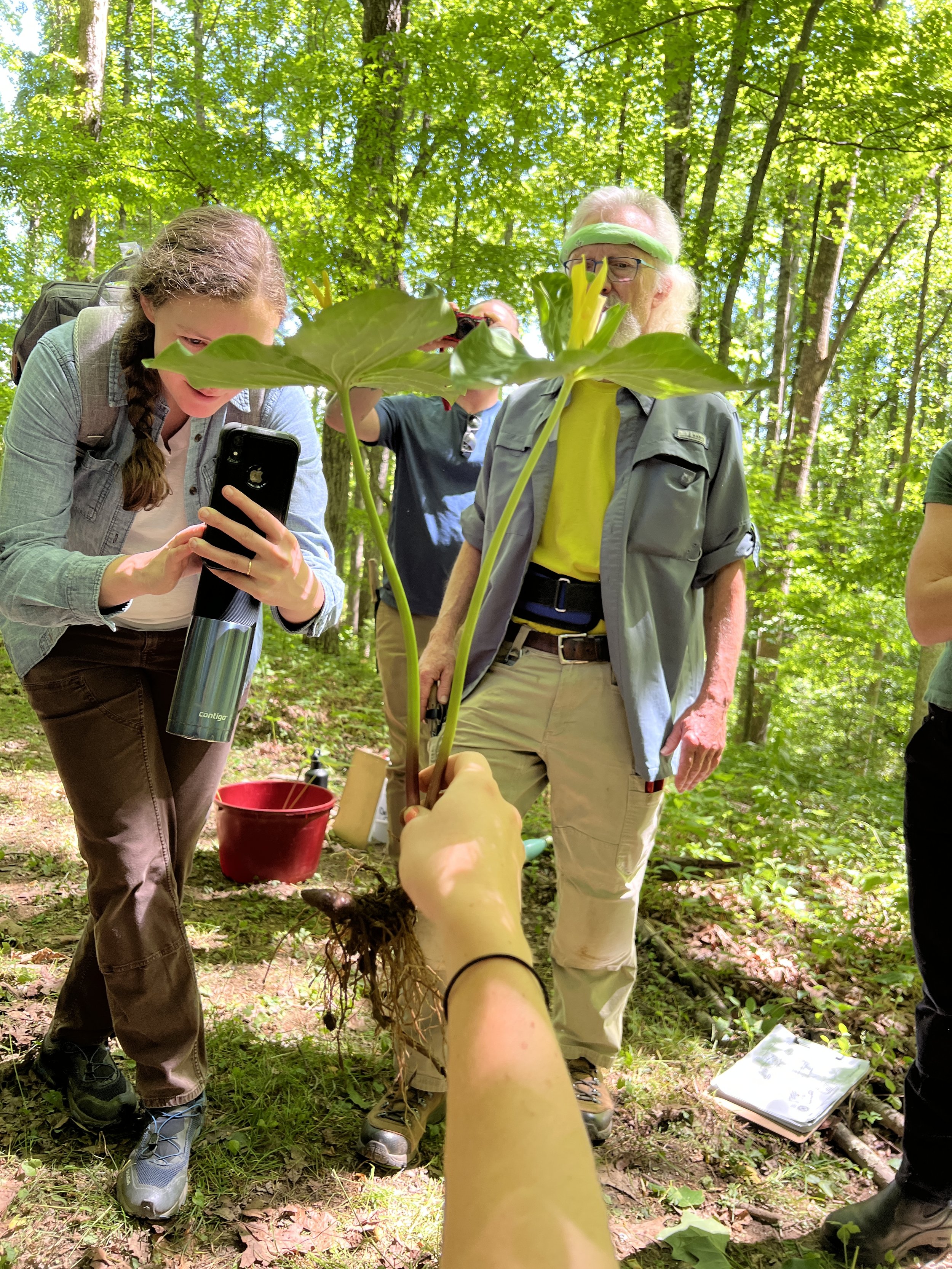
Every year the land looks a little happier, and this consistently feels like the most important work I’ve ever done. Hungry to learn more, in 2020 I reached out to Margaret Bloomquist of the NC Alternative Crops and Organics Program and the Applachain Beginning Forest Farmer Coalition, and asked to be put on an email list for a Woodland Stewards group that meets up monthly during the growing season. I went to my first meeting in the spring of 2022, and about a half hour into this meeting I felt like I had found my people. All of those years of slowly learning about the woodland botanicals via websites, books and videos had been fun, but to meet other people in the woods who were doing what I’d been doing was beyond exciting! During these meetings we learned about propagation techniques, record keeping, markets for different plants, and good agricultural practices. We kept beds free from weeds, transplanted seedlings, planted rootlets, identified pests and diseases, made new planting beds and collected data on plots of Ginseng and Goldenseal. I went home from every meeting more inspired, and eager to head to our woods to work.
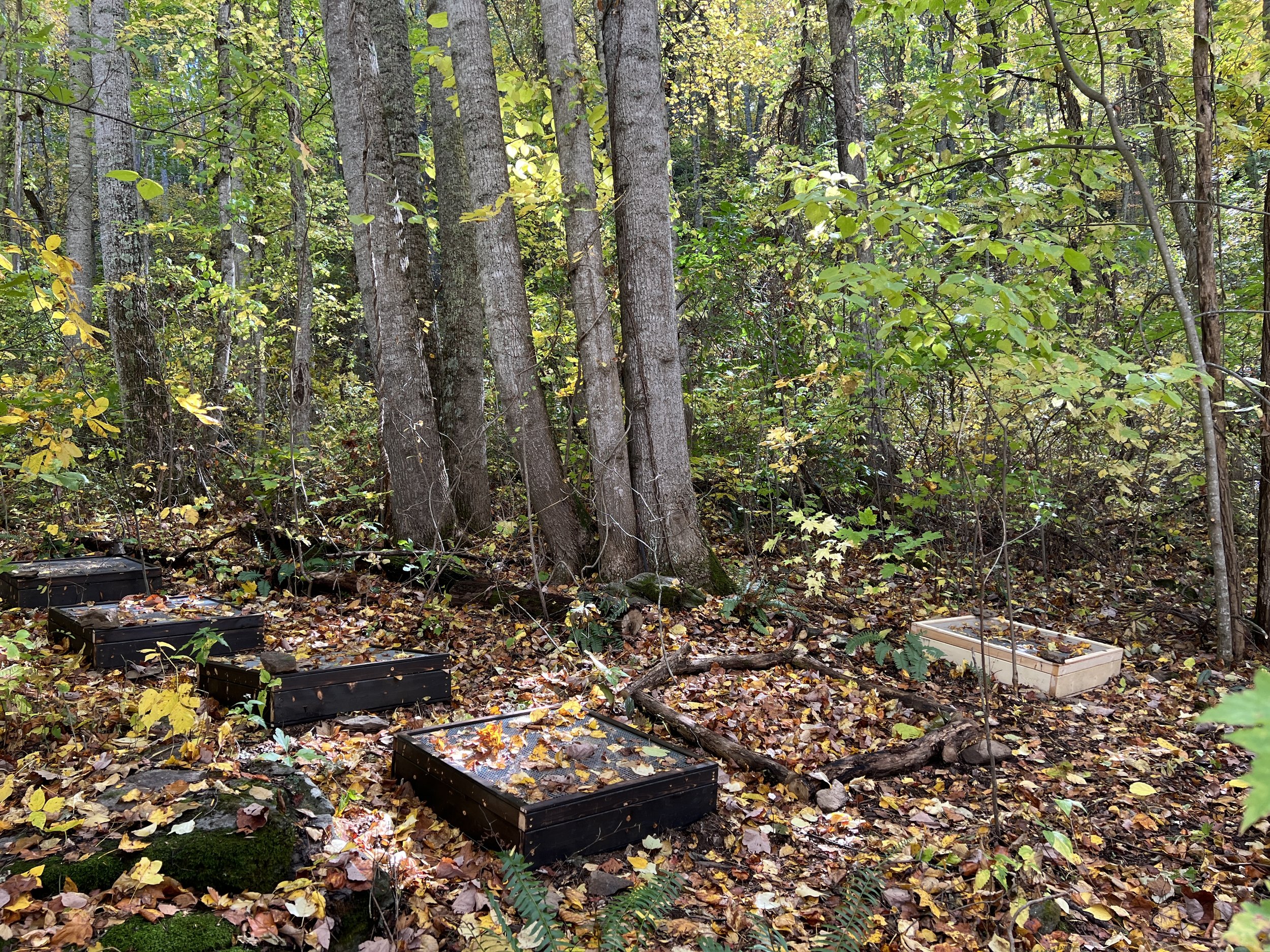
After many fun and informative meetings with the woodland stewards, Margaret told us all about a grant opportunity designed to get planting stock into the ground in Appalachia. I’d never considered applying for a grant before but I applied and we got it! The Catalyzing Agroforestry Grant we received from the Appalachian Beginning Forest Farming Coalition, Organic Growers School and the Edwards Mother Earth Foundation has been instrumental in the work we have done since August of 2022. We’ve been able to purchase beautiful planting stock, build protected seed beds, inoculate logs, and prepare forest beds for future planting. We look forward to sharing our forest farming journey with you!
If you or anyone you know is interested in growing native, medicinal plants in the forest as a part of a farm or herbal business, for personal use, or just for fun, please check out the Applachain Beginning Forest Farmer Coalition’s website. It’s an invaluable resource.

Thanks for reading.